Zanzibar vs Seychelles: Which beach holiday
is right for you?
June 3rd 2026 | 4 minute Read
Two of the Indian Ocean’s most gorgeous islands, two very different holidays. Zanzibar and the Seychelles both deliver warm turquoise water and powder-soft sand, so on a postcard they look almost interchangeable. In person they really aren’t. One is spice markets, Swahili history, and excellent value. The other is granite boulders, rainforest, and quiet luxury at a price to match.
Here’s how they actually differ, so you can pick the one that fits your trip and your budget.
What’s the real difference?
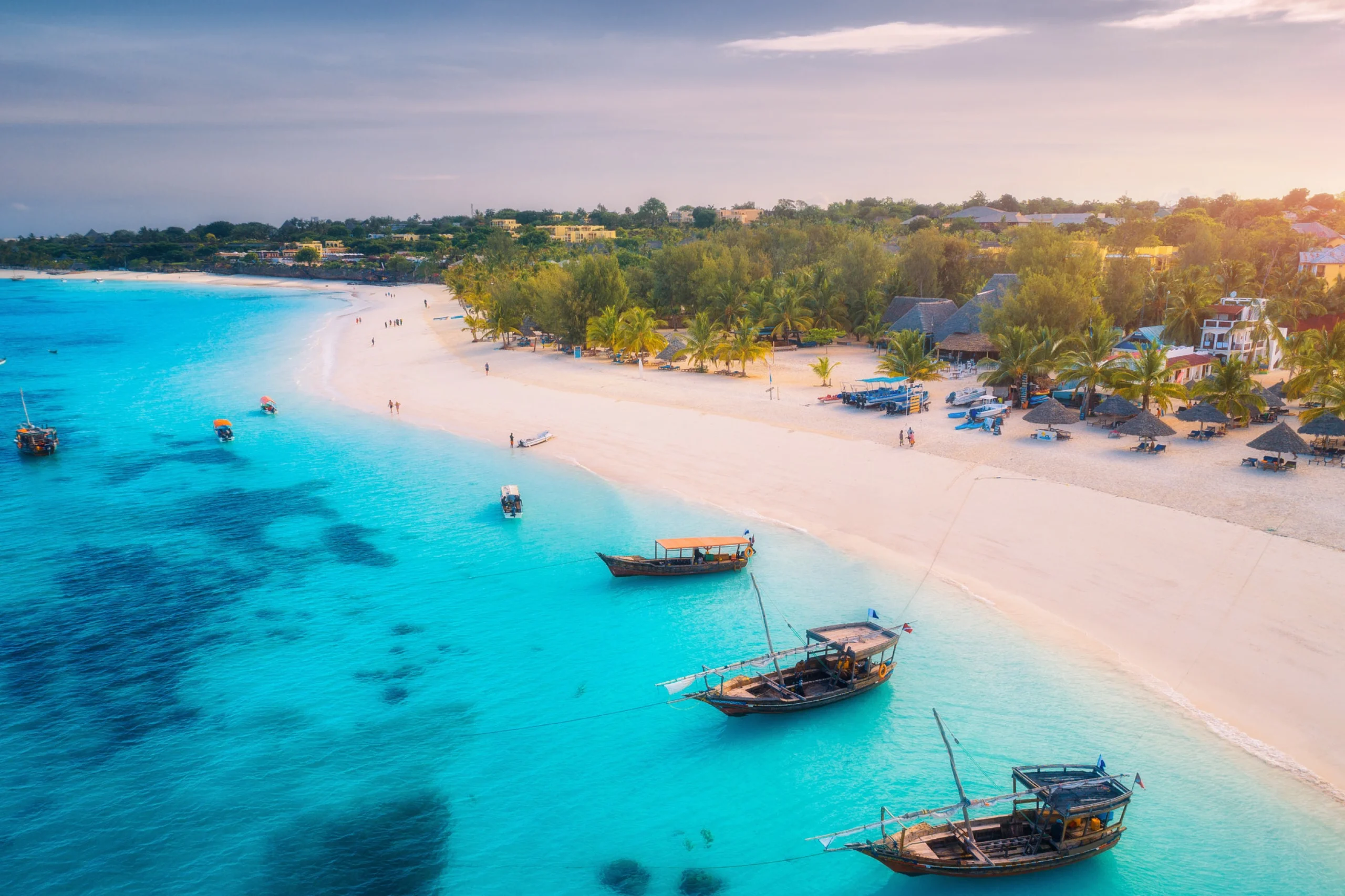
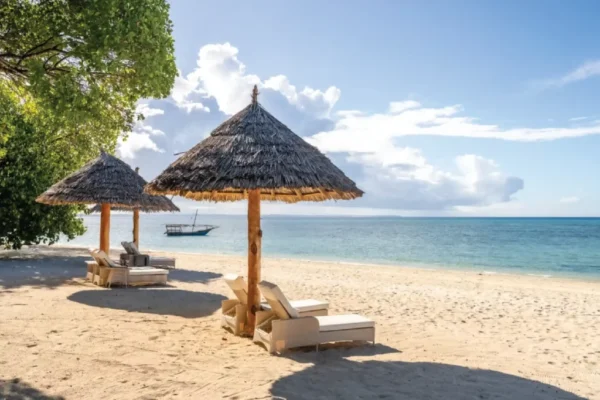
Zanzibar has a pulse. It’s an island with centuries of Swahili, Arab, and Indian history layered into it, and you feel that the moment you wander Stone Town’s alleys, browse the markets, or visit a spice farm. The beaches up north at Nungwi and on the east coast at Paje are long, palm-fringed, and lively, with dhows on the water and a tide that rolls a long way out. It’s beautiful and busy and full of character.
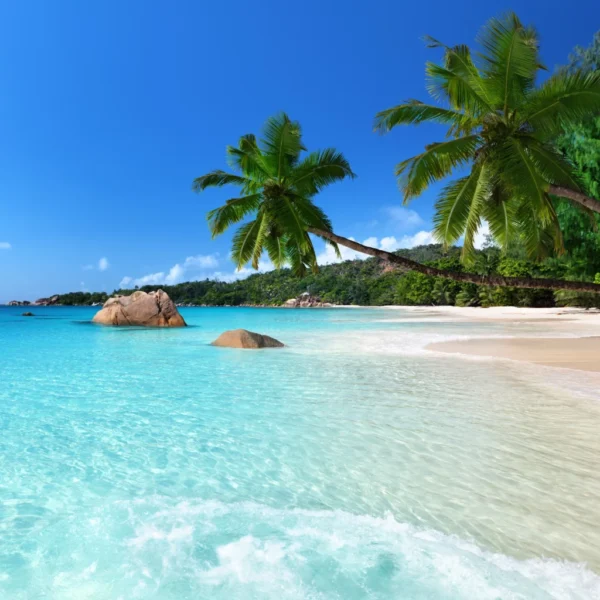
The Seychelles is quieter and more about pure scenery. Think dramatic granite boulders framing tiny coves, lush green hills behind the sand, and beaches like Anse Source d’Argent that turn up on every “world’s best” list. Creole culture is gentle and present, but you don’t come here for cities and history. You come for the landscape and the calm, often from a high-end resort that has a slice of coast more or less to itself.
Shorthand version: Zanzibar for culture, atmosphere, and value; Seychelles for showstopping scenery and serene, exclusive luxury.
Which is more budget-friendly for a week?
Zanzibar, and it isn’t close. On the ground it tends to run roughly 40 to 60 percent cheaper than the Seychelles for a similar style of trip.
To put rough numbers on it, a week in Zanzibar might land around 350 to 560 US dollars per person for budget travel and 700 to 1,050 for mid-range, excluding flights. The same week in the Seychelles is closer to 660 to 1,085 for budget and 1,500-plus for mid-range. Accommodation is where the gap really shows: a tidy beach hotel in Zanzibar might be 80 to 150 dollars a night, while the Seychelles often starts at 100 to 200 and climbs fast, with private-island resorts running well over 1,000 a night.
Flights are the great equaliser. Getting to either island costs broadly similar from most long-haul hubs, so the budget difference is mostly what happens once you land. If value matters, Zanzibar gives you more days, more comfort, and more spare cash for excursions.
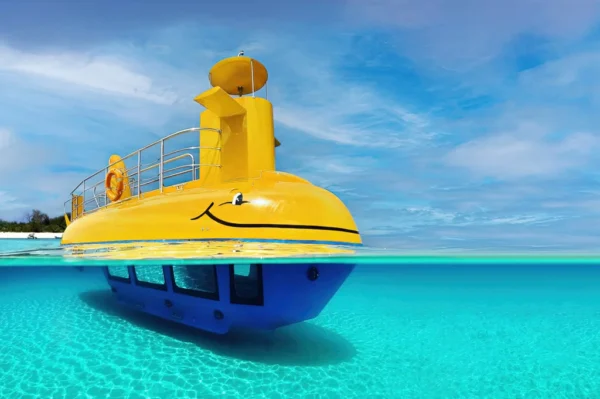
Where’s the better snorkelling and marine life?
Good news: both are excellent, so you won’t be disappointed either way. They just reward slightly different snorkellers.
Zanzibar’s headline act is Mnemba Atoll off the northeast coast, where the water is clear and you’ve a real chance of turtles and dolphins alongside clouds of reef fish. Push out to Pemba or Mafia and the diving gets even better, with walls and huge schools of fish. Sightings come easily and the spots are close to the main beach areas, which makes it great for a casual half-day snorkel.
The Seychelles plays a longer game. Decades of strict conservation and proper marine parks mean the ecosystems are pristine, with green turtles, reef sharks, and standout dive sites like the Twin Barges wreck. It’s a notch more diverse and protected, and a treat for keener divers and anyone who values that wilder, well-guarded feel.
If you want abundant, easy reef snorkelling on a budget, Zanzibar edges it. If you want world-class, conservation-grade diving and don’t mind paying for it, the Seychelles is your place.
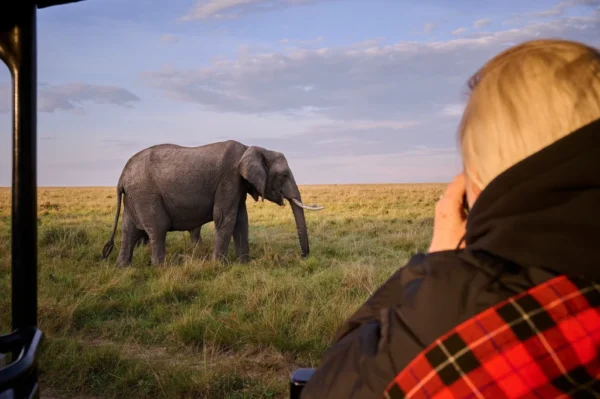
Can I add a beach stay onto a Kenya safari?
Absolutely, and it’s one of our favourite ways to end a trip. After days of dawn game drives, a few nights with your toes in the sand is exactly the reward you want.
Zanzibar is the easy, natural pairing. It’s part of Tanzania, flights from Nairobi and from the Tanzanian parks are short and regular, and you can be lying on the beach the same afternoon you leave the bush. Do note you’ll need a Tanzania visa and a yellow fever certificate, which we sort out for you well in advance.
The Seychelles works beautifully too and is wonderfully low-hassle on paperwork: there’s a direct Kenya Airways flight from Nairobi to Mahe of about four hours, and no advance visa is required, since you get an entry permit on arrival. It’s the more indulgent finish, ideal for honeymoons and special occasions. Either way, we build the safari and the beach into one seamless itinerary so you’re never scrambling between bookings.
When’s the best time to visit each?
Both are warm all year, so this is about dodging the wettest weeks rather than chasing sunshine that’s always there anyway.
Zanzibar has two clear dry windows. The long one runs June to October with sunny skies and temperatures around 25 to 30 degrees Celsius, and a shorter dry spell falls December to February. Those months are ideal for beaches and diving, and they line up neatly with Kenya and Tanzania’s prime safari season, which is why the safari-and-beach combo works so well.
The Seychelles doesn’t have a sharply defined dry season, but the calmer, drier stretch is May to October, when the south-east trade winds keep things fresh and rainfall low, peaking in July and August. Seas can get a touch choppy then, while the April-to-May and October-to-November shoulder months tend to be calm and clear. Temperatures sit around 24 to 32 degrees Celsius all year.
If you’re tying the beach to a safari, the June-to-October overlap is the sweet spot for both islands.
So, which one?
If you want culture, atmosphere, and great value, especially as the tail end of a Tanzania or Kenya safari, choose Zanzibar. If you’re after the most jaw-dropping scenery and a quiet, high-end escape, and the budget allows, choose the Seychelles. There’s no wrong answer here, just two very different kinds of paradise.
At Holiday Bazaar we plan both, and through our Wild Whispers partnership we can pair either island with a Kenyan or Tanzanian safari, handle the visas and flights, and tailor everything from honeymoon hideaways to easygoing family beach days.
Tell us your dates and your budget and we’ll match you to the right island.