On this page
The gorillas do not migrate, so there is no bad month to see them. What changes through the year is the walk to reach them. From June to September, and again from December to February, the trails in Volcanoes National Park are at their driest and the treks are at their easiest. From March to May, and around November, the rain makes the slopes muddy and slow.
The other thing that changes is the price. Rwanda’s permit costs the same USD 1,500 all year for most visitors, but from November to May there are discounts that do not apply in the dry season. For Kenyan residents in particular, the cheaper months are the rainy ones.
Rwanda’s seasons month by month
| Month | Weather | Trekking conditions | Permit notes |
|---|---|---|---|
| January | Short dry season | Good; drier paths | Discounts available |
| February | Short dry season | Good | Discounts available |
| March | Long rains begin | Wet, muddy, slower | Discounts available |
| April | Long rains at their heaviest | The wettest treks of the year | Discounts available |
| May | Long rains ease | Wet early, drying late | Discounts available |
| June | Long dry season | Very good; clear views of the volcanoes | Full price; books up |
| July | Dry | Best of the year | Full price; books up |
| August | Dry | Best of the year | Full price; books up |
| September | Dry, rain returning late | Good | Full price |
| October | Short rains begin | Wet afternoons | Full price |
| November | Short rains | Wet, quieter | Discounts available |
| December | Short rains end mid-month | Improving | Discounts available; Christmas busy |
Rwanda sits just south of the equator, and Volcanoes National Park runs from about 2,400 metres up the flanks of the Virunga volcanoes, so it is cool and damp in every month. Rain is possible any day, even in July. The table is the usual pattern.
The dry seasons: June to September, and December to February
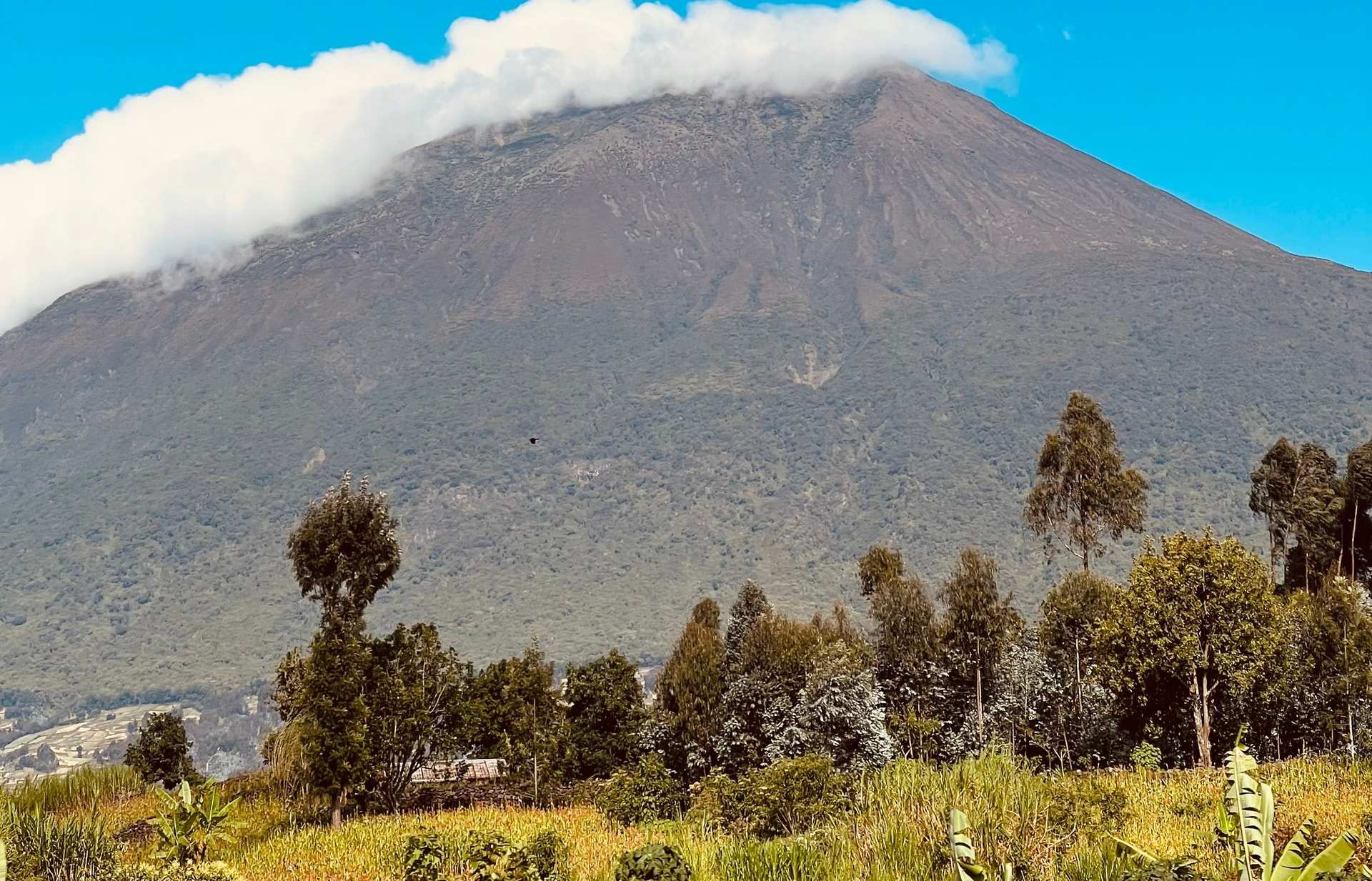
June to September is the long dry season and the most popular time to trek. The paths through the bamboo and the farmland at the park edge are firm, the steep sections are less slippery, and on clear mornings you can see the volcano summits from the lodges at Kinigi.
It is also when permits are hardest to get. Each habituated gorilla family can be visited by at most eight people a day, for one hour, and RDB lists ten families that take visitors. For July and August, we book permits as soon as your dates are firm, and often six months or more ahead.
December to February is the shorter dry season. The trekking is nearly as good, the country is green after the short rains, and there are fewer people. Outside the Christmas fortnight, it is the window we would pick.
Does rain stop gorilla trekking?
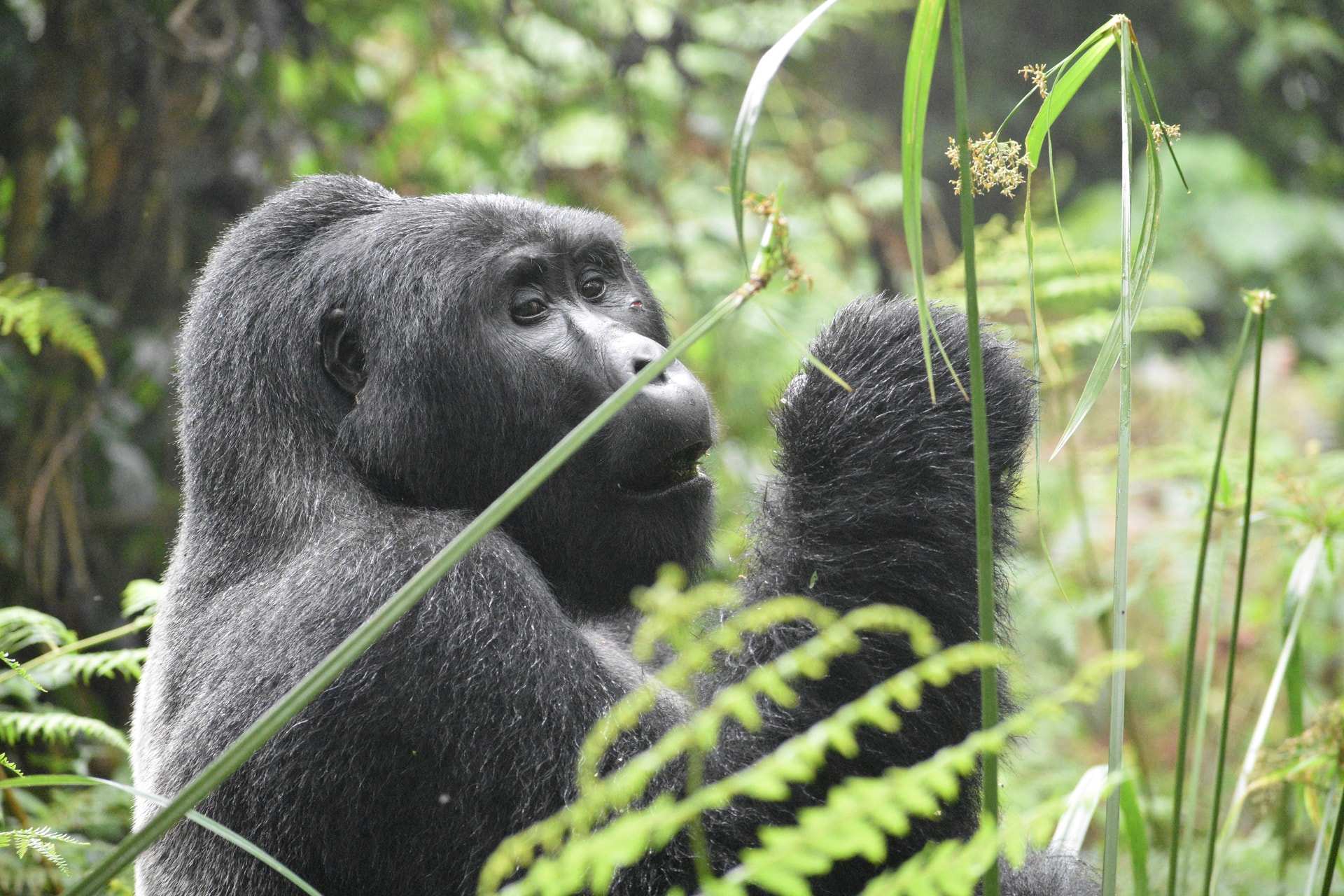
No. Treks go out every morning, all year, with everyone reporting to the park office at Kinigi at 7:00. What rain does is make the walk harder. Paths turn to mud, the slopes get slippery, and you may spend some of your hour with the gorillas in a downpour. Waterproofs, gaiters and gloves stop being optional; our gorilla trek packing list covers them.
Two things work in your favour in the wet months. The gorillas often feed lower on the slopes when there is plenty to eat, which can shorten the trek. And with fewer visitors, the lodges are quieter and rates are lower.
When permits cost less
The standard Rwanda permit for a foreign visitor is USD 1,500. RDB’s own booking portal lists lower rates for other groups:
| Visitor | Permit, USD |
|---|---|
| Foreign non-resident | 1,500 |
| Foreign resident in Rwanda | 500 |
| Rwandan or East African Community citizen | 200 |
| African citizen, or foreign resident in another African country | 500 |
RDB marks the lower rates as promotional and states that they do not apply from June to October 2026. In those months everyone pays USD 1,500.
That matters for anyone booking from Nairobi. A Kenyan citizen, or a foreign national with Kenyan residence, pays a fraction of the foreign rate from November to May, and the full rate in the dry season. For a resident, the wet season is the best value by a very wide margin.
Foreign non-residents have a discount too. From November to May, RDB takes 30% off the gorilla permit if you also stay at least two nights in Akagera or Nyungwe National Park, with a paid activity there. That brings a USD 1,500 permit down to USD 1,050, and it pairs the gorillas with the rest of Rwanda. Our gorilla permit cost guide goes through the conditions and compares Uganda’s prices.
Uganda’s seasons for Bwindi and Mgahinga
Uganda’s gorilla parks, Bwindi Impenetrable and Mgahinga, follow almost the same calendar: dry from June to August and from December to February, with long rains from March to May and shorter rains from September to November. Bwindi is a rainforest, so it rains there in every month, and its hills are steeper and the treks often longer than in Rwanda.
Price is where Uganda differs. The Uganda Wildlife Authority’s permit is USD 800 for foreign non-residents, and its current tariff drops that to USD 600 in April, May and November. For a traveller who does not mind the rain, a wet-season trek in Bwindi is the least expensive way to see mountain gorillas. Uganda also has chimpanzees in Kibale and the tree-climbing lions of Queen Elizabeth National Park.
Bwindi’s southern sectors are closer to Kigali than to Entebbe, so a Uganda trek can be routed through Rwanda.
The rest of the trip by season
Most Rwanda trips pair the gorillas with at least one other park, and each has its own season.
| Where | Best months | What for |
|---|---|---|
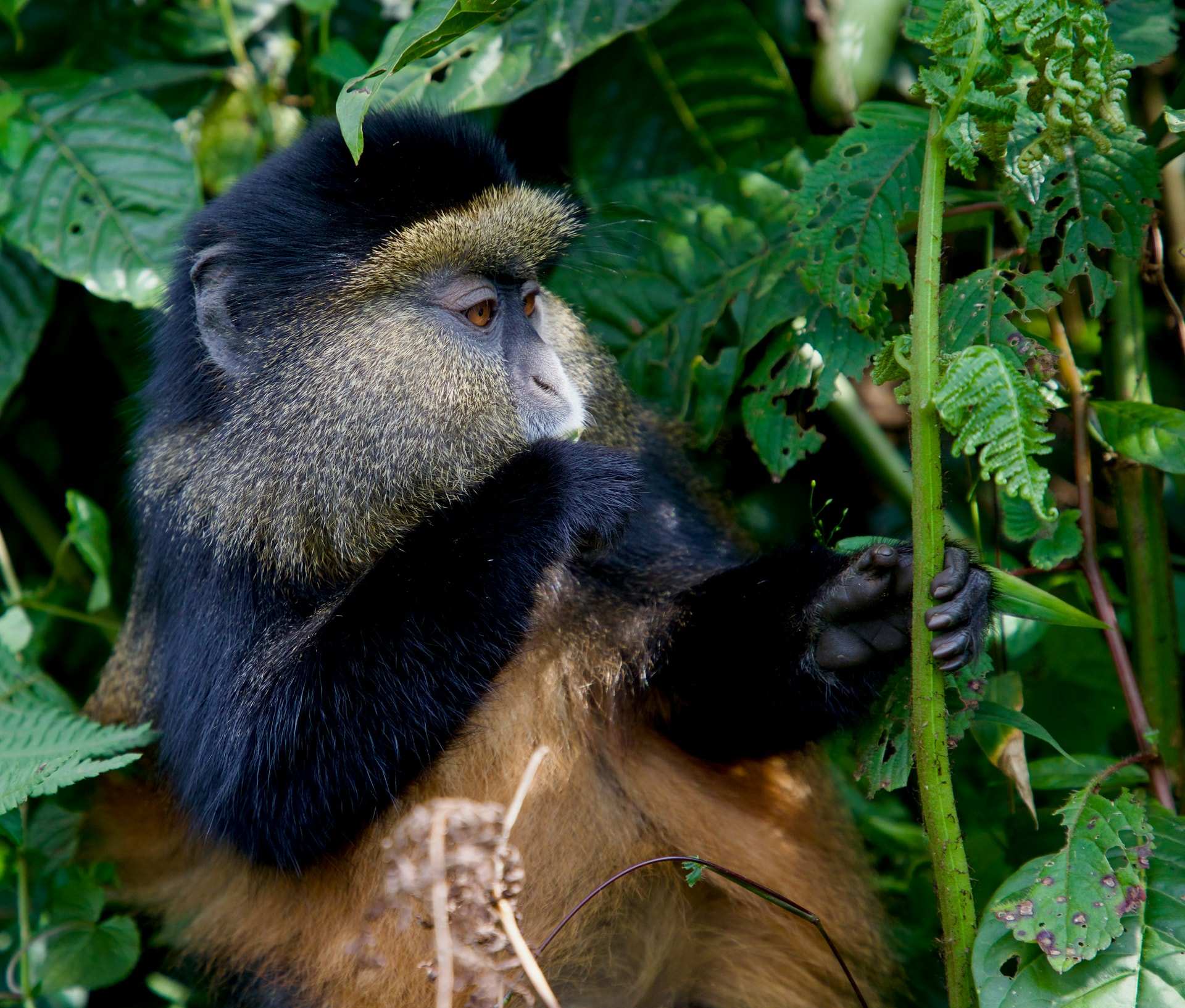
| Volcanoes National Park | All year | Golden monkeys, tracked in the same bamboo on a shorter, easier walk |
| Nyungwe National Park | All year, wet in every season | Chimpanzees and the canopy walk in the south-west’s montane forest |
| Akagera National Park | June to September | Rwanda’s savannah park: lion, elephant, rhino and giraffe, easiest when the grass is short |
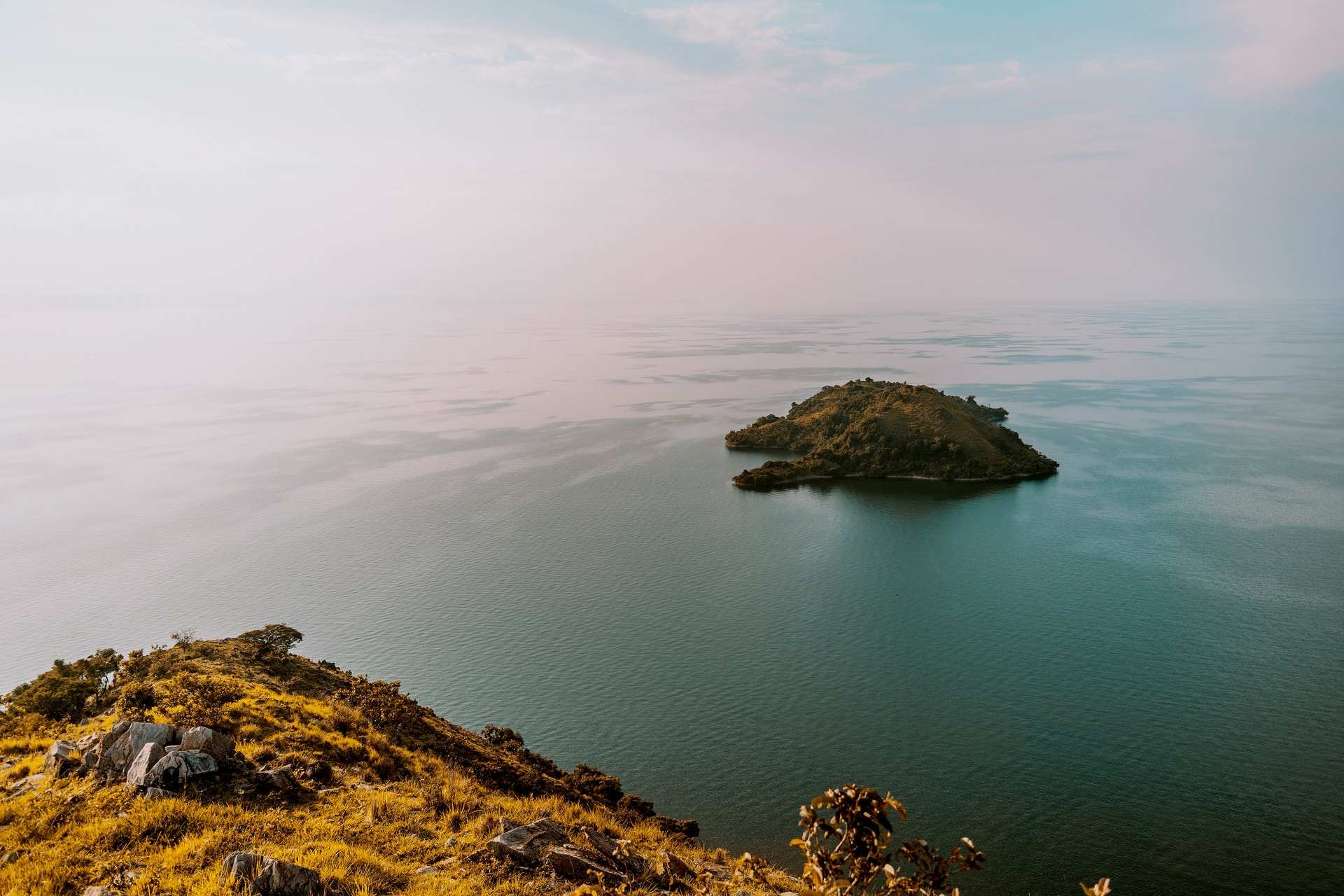
| Lake Kivu | All year | A slow day or two on the western border |
One date to plan around: on the last Saturday of each month, Rwanda holds Umuganda, a morning of community work when most of the country stops until late morning and road travel is restricted. Treks still run, but transfers are arranged around it.
Combining Rwanda with a Kenya or Tanzania safari
Kigali is a short flight from Nairobi, and Volcanoes National Park is about two hours’ drive from Kigali. That makes the gorillas an easy three or four nights at the start or end of an East African safari.
The dry seasons line up well. A July or August trip can pair the Masai Mara in migration season with the gorillas in Rwanda’s best trekking weather. Our Big Five and Gorillas Safari does exactly that in nine days: the Mara, then Kigali and a trek at Volcanoes. The Rwanda Journey spends a week in Rwanda alone, with the gorillas, then chimpanzees and the canopy walk in Nyungwe.
For Kenyan residents, a better-value pairing is a February trip: the Mara conservancies in their short dry season, followed by the gorillas at the resident rate before June.
When we would go
For one trek in the best conditions, late June to August. For the best value, and for residents especially, January or February, before the long rains and inside the discount window. The when-to-go table sets Rwanda against every other destination we book, month by month. Tell us your dates and we will check permit availability for them before you book anything else, because the permit decides the rest of the itinerary.
Sources
- visitrwandabookings.rdb.rw/rdbportal/mountain-gorilla-tracking
- visitrwandabookings.rdb.rw/rdbportal/low-season-discount
- go2africa.com/destinations/rwanda/when-to-go
- asiliaafrica.com/destinations/rwanda/when-to-go
- safaribookings.com/rwanda/best-time
- ugandawildlife.org/wp-content/uploads/2024/03/UWA-Conservation-Tariff-July-2024-June-2026.pdf