On this page
- What makes up the cost of a Kenya safari?
- Who sets the park fees?
- Why two similar weeks can cost very different amounts
- Budget, mid-range and luxury: what actually changes
- What a safari price includes, and what it does not
- Resident and non-resident rates
- How to get more for the same budget
- How we price a trip
Most pages that answer this question quote a range copied from another page. We would rather show you what we hold. The rates and trip prices further down this page are read from our own tables when the site is built, so when a lodge changes its rate, this page changes with it. Where we do not hold a current rate for a region, it says so instead of guessing.
First, though, the part a rate table cannot show: where the money goes, and why the same week can cost three very different amounts.
What makes up the cost of a Kenya safari?
A safari bill has three main parts.
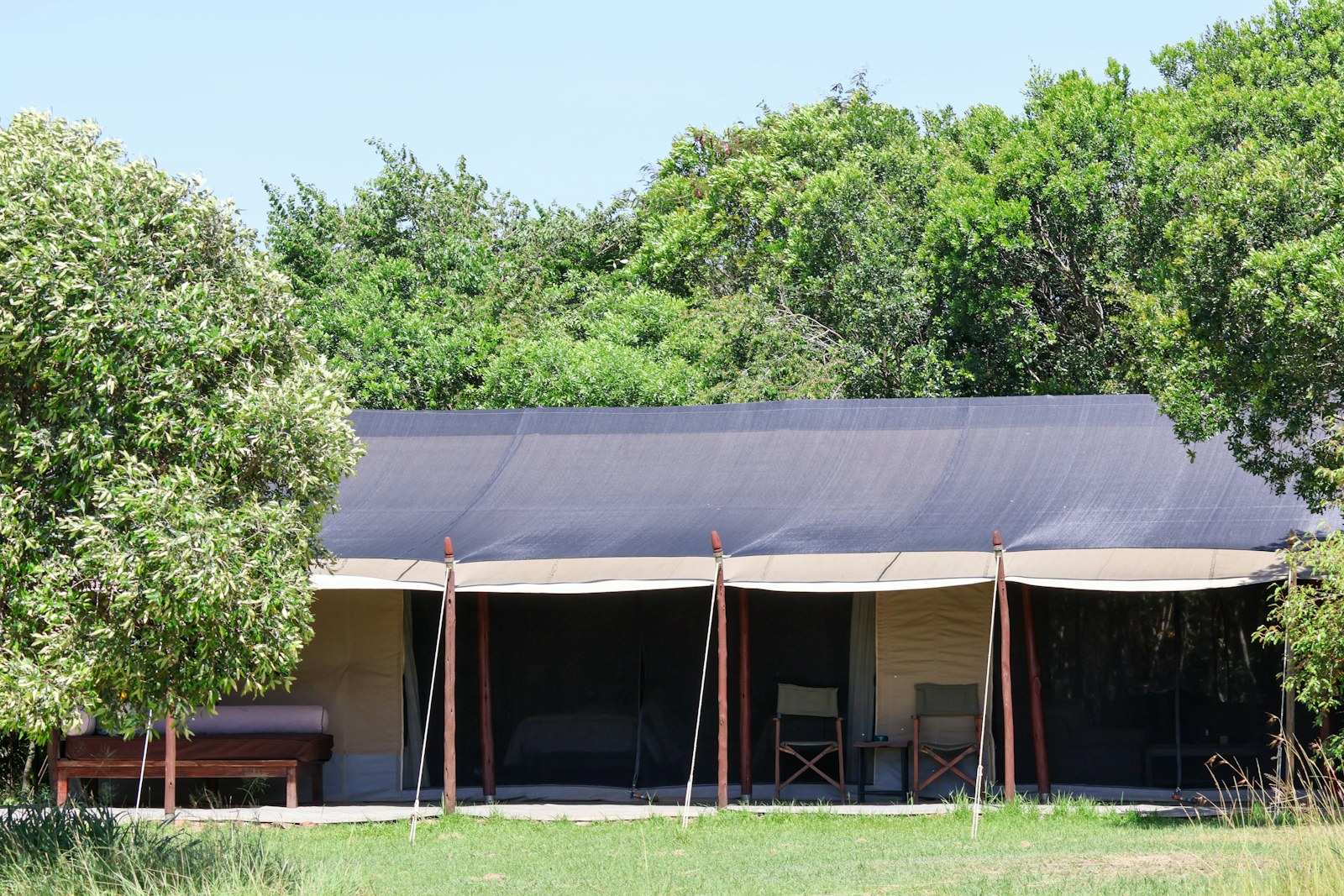
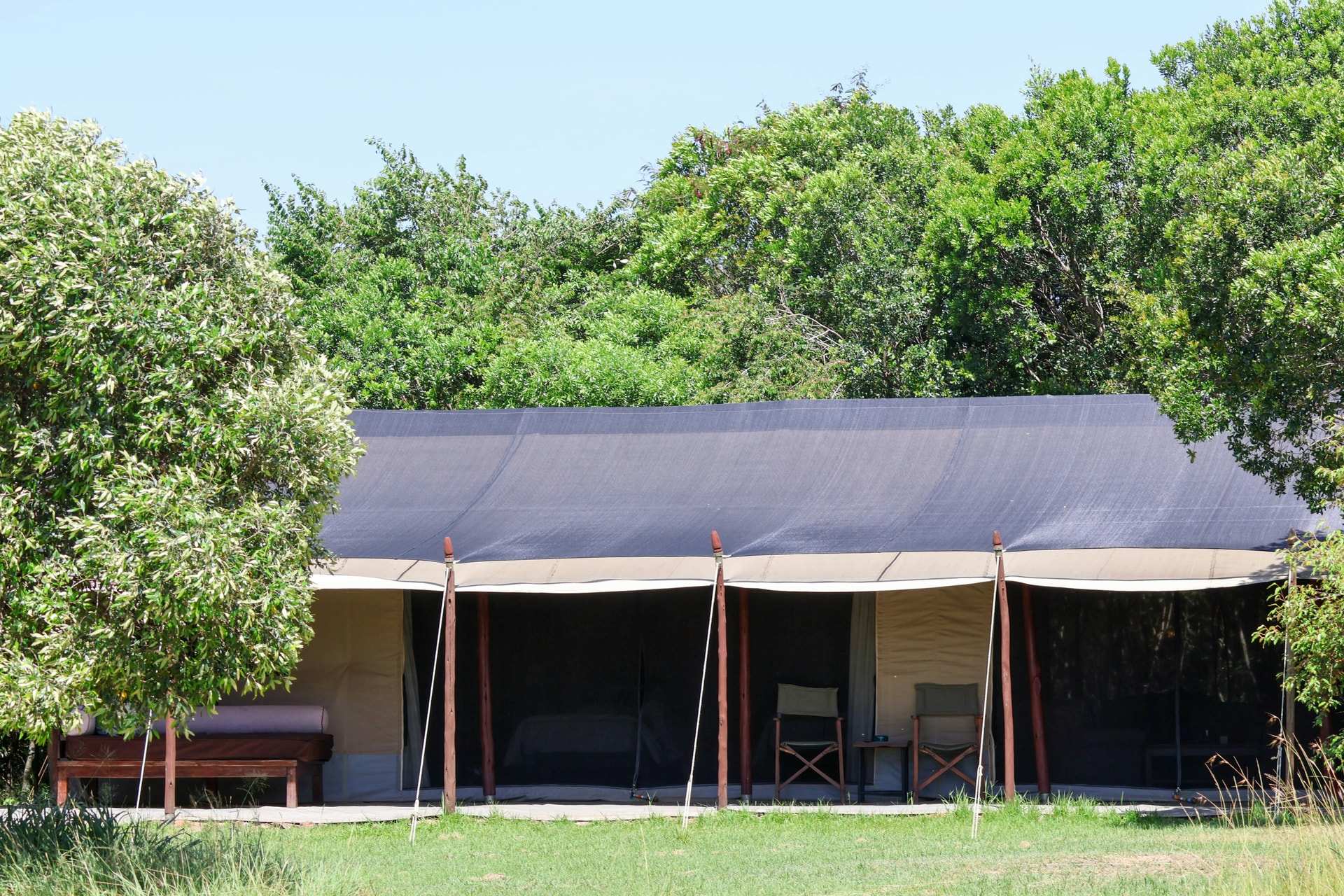
The camps are usually more than half of the total, and they are where most of the range comes from. A good mid-range lodge with a pool, a tented camp in a private conservancy and a six-tent camp with a private vehicle for each tent are three very different prices. The animals outside them are the same. What changes is the number of other vehicles at a sighting, how much of the day is planned around you, and the food, the bed and the service.
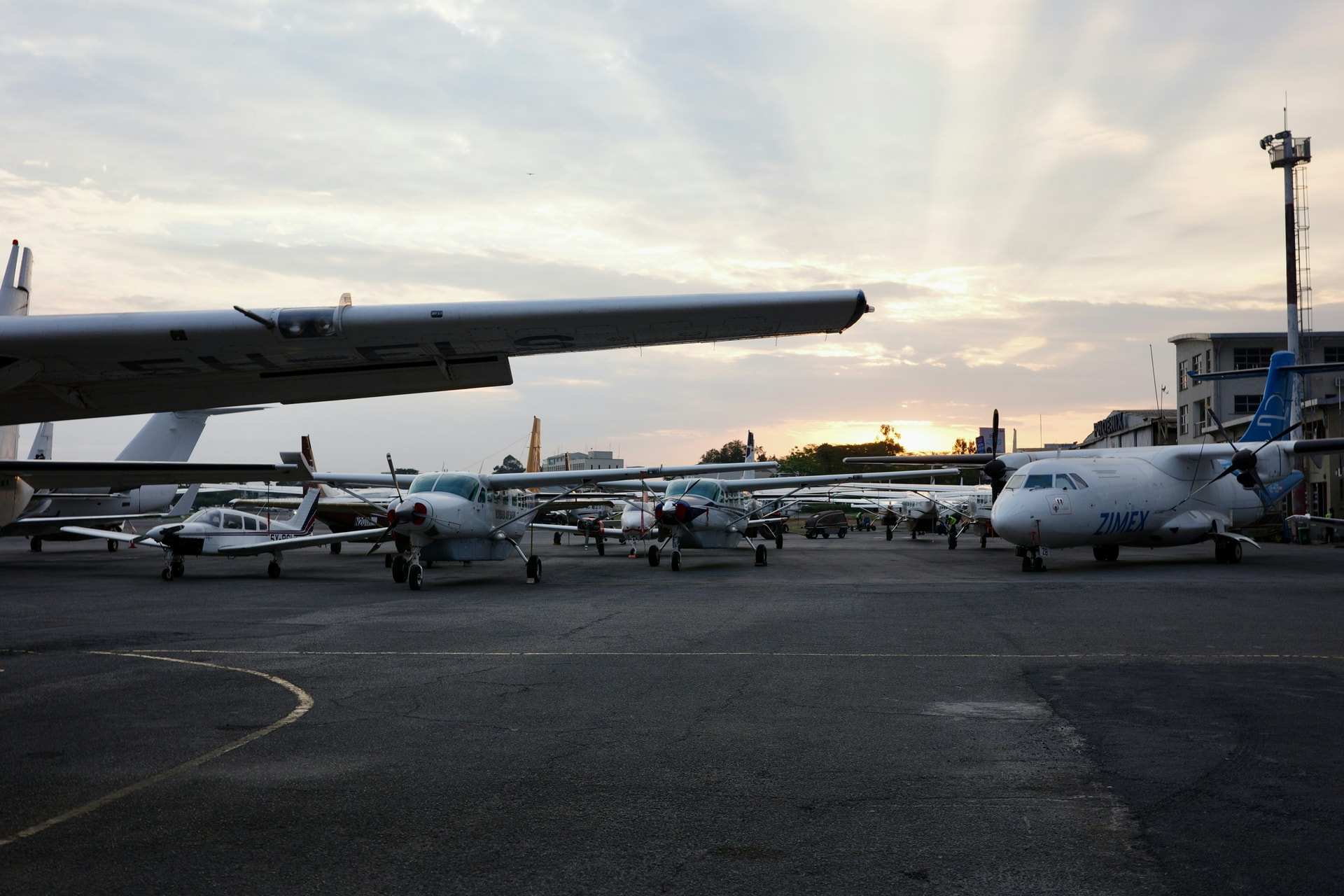
Next comes getting between parks: either a vehicle and a driver-guide for the whole trip, or seats on light aircraft with the camp’s vehicle waiting at each airstrip. Road is cheaper, and the gap grows with the size of your party, because a vehicle is priced per car and a flight per seat.
Then there are park and conservancy fees, charged per person per day and set by the park authority or the conservancy, not by us.
After those three come the smaller lines: transfers to and from Nairobi’s airports, a night or two in Nairobi, and any paid activities.
Who sets the park fees?
The national parks, among them Amboseli, Tsavo, Nairobi and Lake Nakuru, are run by the Kenya Wildlife Service, which charges different rates for Kenyan citizens, residents and non-residents, and by season. In 2025 KWS published a new fee schedule, and its start date was challenged in the High Court soon after. We quote the fees in force for your travel dates.
The Maasai Mara National Reserve is run by Narok County, not KWS, and sets its own fees, with a higher rate in the busiest months. The conservancies around the Mara and in Laikipia charge their own fees, which are often built into the camp’s rate. That fee is part of how a conservancy pays the landowners who lease their land for wildlife, and it is one reason a conservancy camp costs more than a camp in the reserve.
These fees change more often than most people expect. We do not print them here because a figure on this page would be out of date before you travel.
Why two similar weeks can cost very different amounts
Three things move the price more than anything else.
The first is the month. July to October is the peak and camps price for it. April and May are the cheapest months, and June and November sit in between. The same room in the same lodge can cost much less in May than in August. This is the biggest lever you control. The best time to visit Kenya guide explains what each month gives you in return.
The second is whether you fly. On a short trip, flying often pays for itself in extra days of game viewing. On a trip of ten nights or more, the road legs cost less in time and the saving is worth having. Road or flying? compares the two in detail.
The third is how many of you there are. A private vehicle shared by two people is expensive per head; shared by six, it is not. Families and groups get better value than couples on almost every line of the quote.
Budget, mid-range and luxury: what actually changes
The words mean less than they seem, because every operator draws the lines differently. What changes as you move up is mostly how many other people you share the experience with.
At the lower end you stay in larger lodges, often built of stone with a pool and a buffet, mostly inside the national parks and reserves, and you travel by road. The game viewing can be excellent. You will share sightings with more vehicles, and meals run to fixed times.
In the middle are the permanent tented camps, with twenty or so tents, en-suite bathrooms and set menus, some in the reserves and some in conservancies. Many first safaris sit here.
At the top are small camps of six to ten tents in private conservancies, where vehicle numbers are capped, walks and night drives are allowed, and a vehicle may be kept for your party alone. Most of the difference in price is space and time: fewer vehicles at a sighting, and a day planned around you.
What a safari price includes, and what it does not
Most camps quote one of two ways. Full board means your meals. A game package means meals plus two game drives a day and the camp’s usual activities. Comparing a full-board rate with a game-package rate is the commonest way people misread a safari quote. The safari glossary explains the other terms you will see.
These are almost never in the price, from us or anyone else:
- international flights
- your eTA, if you need one (see the Kenya eTA guide)
- travel insurance
- drinks outside the board basis
- tips for guides and camp staff
- optional extras, such as a hot-air balloon flight over the Mara or a helicopter transfer
Every itinerary we publish lists its inclusions and exclusions. If a quote you have been given elsewhere does not, ask why.
Resident and non-resident rates
Kenya has two sets of prices. The resident tariff is for citizens and residents of the East African Community, who show an ID card or residence permit at check-in. The non-resident tariff is for everyone else. They are separate contracts, often in different currencies, rather than a discount applied to one price.
We hold both. Our resident rate pages cover nine regions, eight in Kenya plus Zanzibar, with the seasons laid out, and the cheapest resident rates right now lists the lowest rates we currently hold. Non-resident trips are quoted per itinerary, because a package price is the sum of choices you make, and the trips that publish a from-price are listed on this page.
How to get more for the same budget
- Move your dates. June and the first half of March are often good value with good game viewing.
- Stay longer in fewer places. Every move costs a transfer, and the third night in a camp is often the best one.
- Mix road and air. Drive the legs where the road is part of the trip and fly the long ones.
- Put the money where you spend the most time. A good camp in the Mara, where you are out on drives all day, matters more than a smart hotel for a night in Nairobi.
- If you live in Kenya or elsewhere in East Africa, look at the resident rates first.
How we price a trip
We have been planning trips from Nairobi since 1994. We hold contracted rates with the camps and lodges we use, we are IATA accredited so we issue air tickets ourselves, and we quote the whole trip, flights included, as one price with the inclusions written out.
Give us a budget, dates and the size of your party. We will tell you what they buy, and whether a small change, such as a different month or one camp fewer, would buy more. Or start with our itineraries, which show how the parts come together.