On this page
Tipping on safari in East Africa is expected, and it is never compulsory. Most guests tip twice at each camp: once to their guide, in person, and once into a shared box for the staff they rarely see, such as the cooks, housekeepers, night watchmen and mechanics. No official body sets the amounts, and published guidance varies, so this guide sets out the usual ranges, the notes to carry, and how to pay for things when you are a long way from a bank.
How much should you tip on safari?
These are the ranges most published guidance lands on. The shilling figures use about KES 129 to the US dollar, the Central Bank of Kenya’s rate in September 2026, rounded.
| Who | Usual range | In Kenyan shillings | When |
|---|---|---|---|
| Your guide | USD 10–20 per guest per day, more for a private guide | KES 1,300–2,600 | At the end of your time with them |
| Spotter or tracker | USD 5–10 per guest per day | KES 650–1,300 | At the end, or shared by your guide |
| Camp or lodge staff box | USD 5–15 per guest per night | KES 650–1,900 | At checkout |
| Transfer driver | USD 3–10 per transfer | KES 400–1,300 | At drop-off |
| Hotel porter | About USD 1 a bag | KES 100–200 | On arrival |
| Gorilla porter | USD 5–15 on top of the porter fee | Local currency or USD | At the end of the trek |
| Gorilla ranger and trackers | USD 5–20 | Local currency or USD | At the end of the trek |
Published figures vary a lot. At the modest end, Expert Africa suggests about USD 20, or KES 2,000, per room or tent per day in Kenya, split between the guide and the staff box. At the generous end, Asilia’s guidance adds up to around USD 35 per guest per day for guide and staff together. We suggest starting in the middle of the ranges above, and going higher for a guide who made the trip.
As an example, take a couple on a seven-night safari with a shared guide. At USD 15 each a day, the guide receives USD 210. At USD 10 each a night, the staff boxes receive USD 140. Add two airport transfers at USD 10 and the total is about USD 370, or around KES 48,000. Asilia suggests a couple budget USD 300–500 for a week, so the example sits in the middle.
Who do you tip on safari?
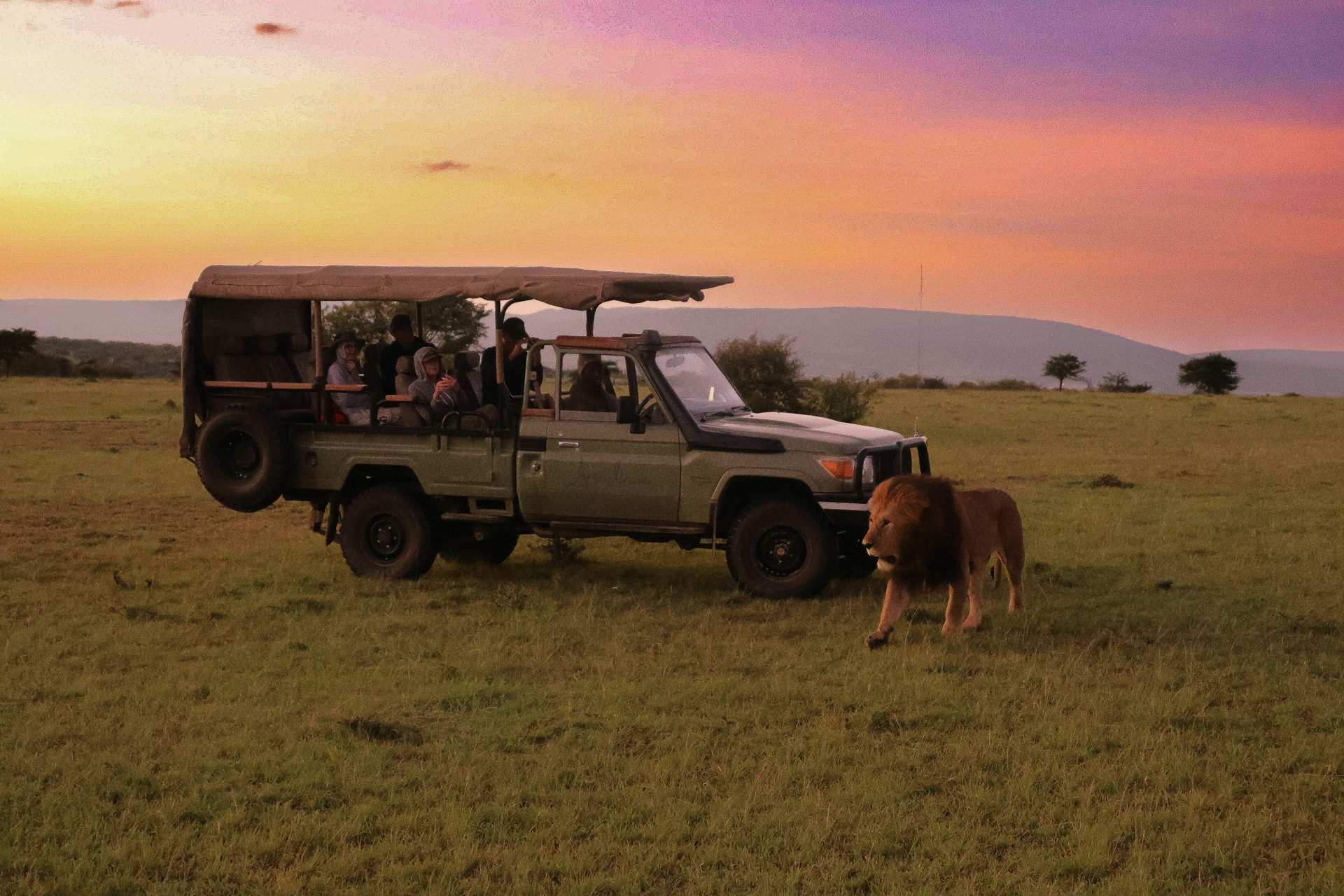
Your guide comes first. In Kenya the guide usually drives as well, and is the person who finds the animals and puts the vehicle where you can see them. In some conservancy camps a spotter or tracker rides with you too. Either tip them separately or ask your guide whether they share.
How you tip the guide depends on how the safari is built. On a road safari, the same driver-guide usually stays with you from Nairobi to the last park, so you tip once, at the end. On a flying safari, each camp has its own guides, so you tip at each camp as you leave. The safari vehicles guide explains how the two differ on the ground.
The staff box covers everyone else, including the kitchen, housekeeping, the waiters, the askaris who walk you to your tent at night and the mechanics who keep the vehicles running. A butler or tent host, where the camp has one, is usually covered by the box, unless the camp says otherwise. Camp managers are not usually tipped.
Away from the camps, a transfer driver who meets you at the airport gets a small tip at drop-off, and hotel porters in Nairobi and on the coast get KES 100 to 200 for carrying bags. In restaurants in Nairobi and on the coast, 10% is usual if the bill has no service charge on it.
Tip boxes or hand to hand?
Put the guide’s tip in an envelope and hand it over yourself at the end, with a word of thanks. The staff box usually sits at reception or in the main area, and the camp divides it among the team. Tip once, at the end of each stay, rather than after every drive or meal.
Tip in cash where you can. A tip added to a card bill is hard for a camp to pass to one named person, and card tipping is not the norm in East Africa. Some camps accept it for the staff box; ask at checkout.
Should you tip in US dollars or local currency?
In Kenya and Tanzania, both work. US dollars are widely accepted across East Africa and are what most visitors bring, but shillings are easier for the person you tip to spend, because changing a few dollars costs them a fee each time.
If you bring dollars, the condition of the notes matters. Bring clean, untorn notes printed in 2006 or later. Many hotels and forex bureaus in Kenya refuse older or damaged notes, and in Tanzania and Zanzibar notes from before 2009 are commonly refused. Small denominations are the most useful: USD 1, 5, 10 and 20.
| Country | Currency | What people tip in |
|---|---|---|
| Kenya | Kenyan shilling (KES) | Shillings or US dollars |
| Tanzania and Zanzibar | Tanzanian shilling (TZS) | Shillings or US dollars; Zanzibar hotels often quote in dollars |
| Rwanda | Rwandan franc (RWF) | Francs or US dollars |
| Uganda | Ugandan shilling (UGX) | Shillings or US dollars |
| South Africa | South African rand (ZAR) | Rand |
In South Africa, tipping is part of how people are paid rather than a bonus. Around 10% of a restaurant bill is normal, car guards get a few coins, and your ranger and tracker are tipped separately. Our practical facts page has the currency, plugs, SIM cards and tap water for every country we sell.
Cash, cards and ATMs on safari
Visa and Mastercard work in Nairobi’s hotels, restaurants and malls, and most safari camps take cards for the bar bill and the shop, sometimes with a card fee. American Express is accepted in fewer places. Keep cash for tips and for small purchases on the way.
ATMs are easy to find in Nairobi, Mombasa and the towns, and they pay out in shillings. There are none at the camps, so do not count on one once you leave town. Draw what you need before you fly or drive out, tell your bank before you travel, and carry the cash in two places, with most of it in the tent safe.
Can visitors use M-Pesa in Kenya?
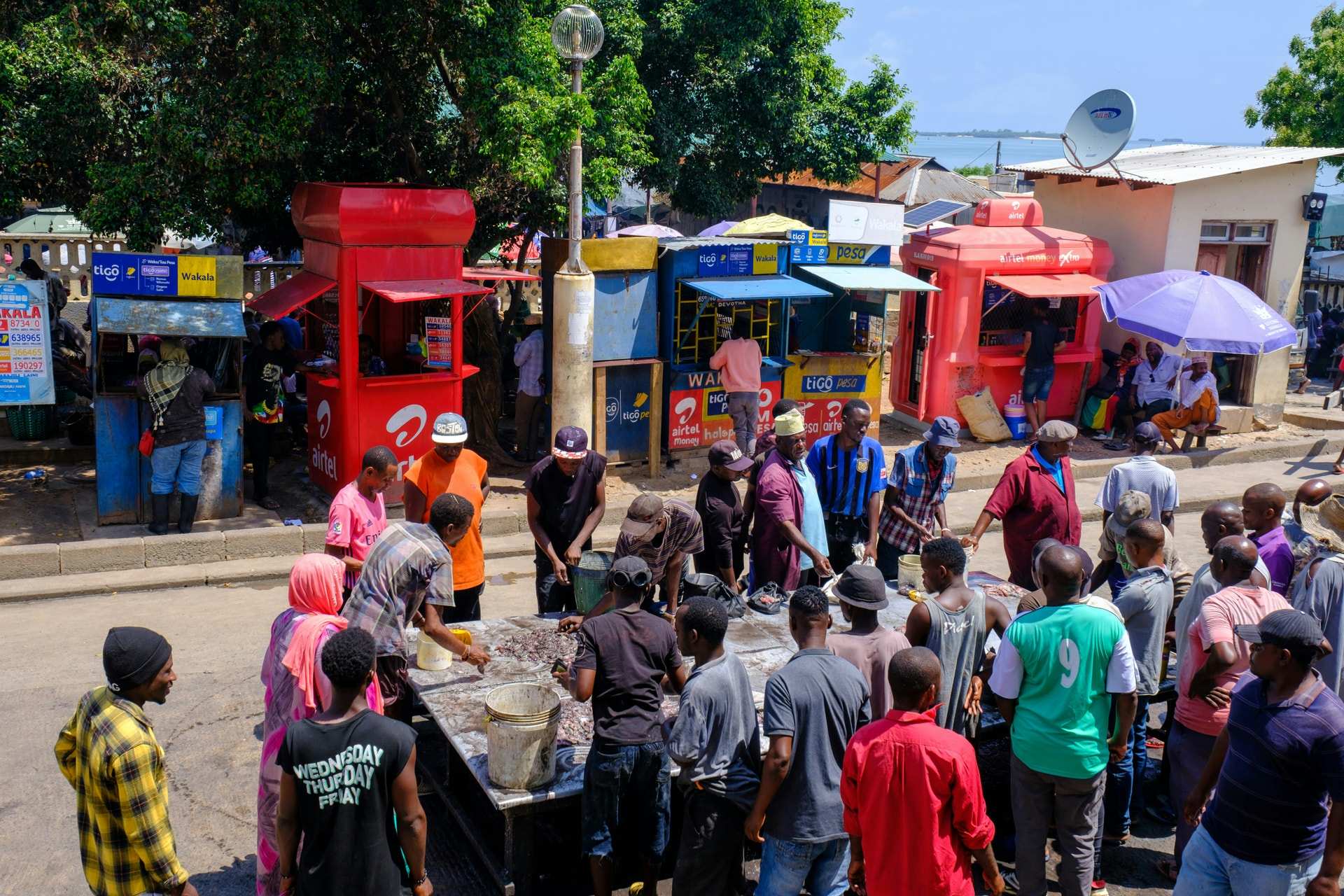
Yes. M-Pesa is Safaricom’s mobile money service, and in Kenya almost everyone takes it, taxi drivers and roadside curio stalls included. Visitors can register with a passport. Buy a Safaricom SIM at the Safaricom shop at the airport or in town, ask for M-Pesa to be registered on it, and load it with cash at any M-Pesa agent. You can then pay a business through its till or paybill number, and send money to a person’s phone number, which is how some guests now tip their guides.
M-Pesa needs a Safaricom line. A data eSIM, such as the one TravelNet sells, keeps you online from the moment you land but has no Kenyan phone number, so for M-Pesa you need a Safaricom SIM as well. Tanzania has its own M-Pesa, run by Vodacom, with a separate registration.
Gorilla treks: porters, rangers and trackers
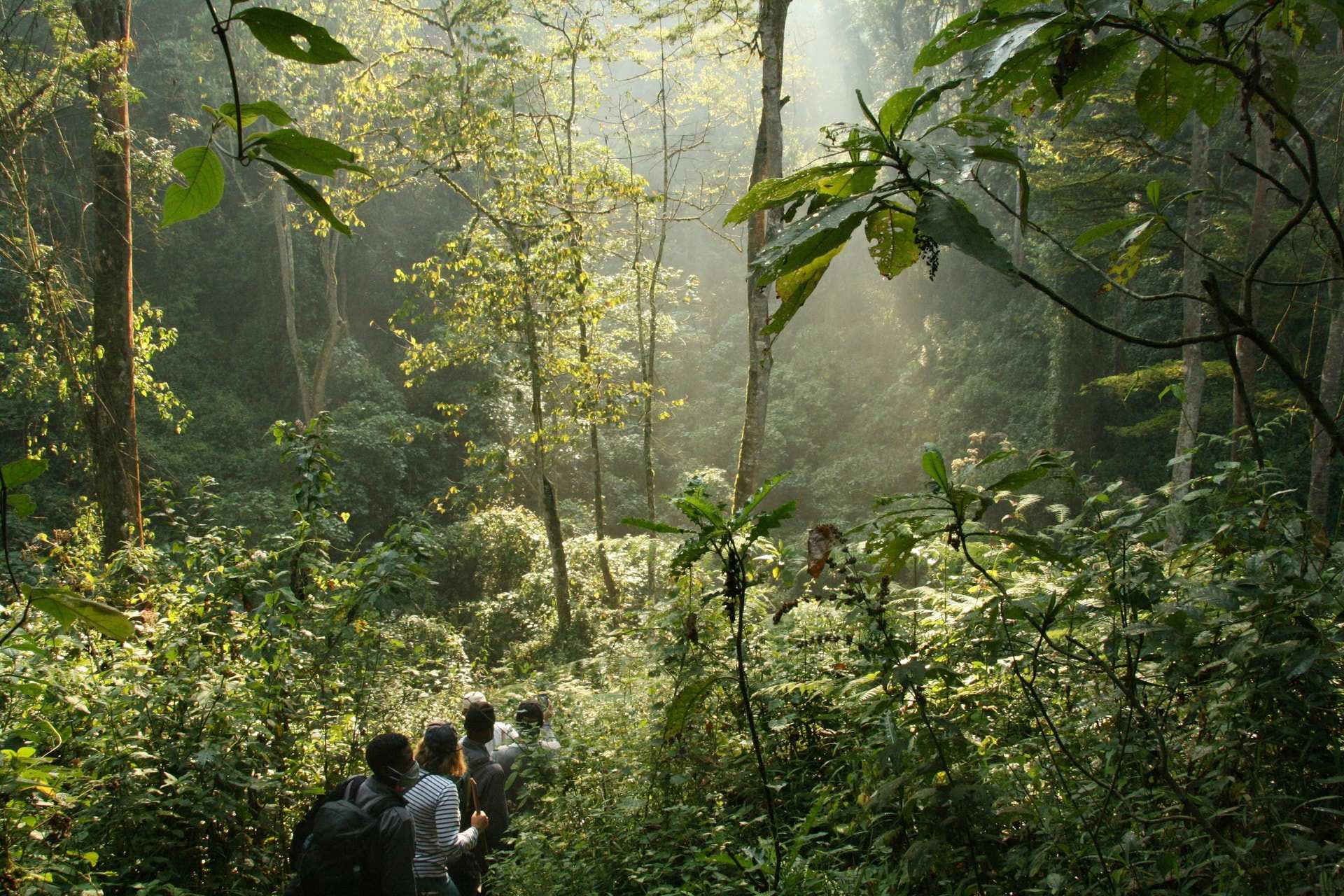
A gorilla trek in Rwanda or Uganda has its own tipping. At the starting point you can hire a porter for a set fee, and we suggest everyone does: porters come from the villages around the park, carry your day pack and give you a hand on the steep sections. Most trekkers add a tip of USD 5–15 at the end. The ranger who leads the trek and the trackers who find the gorillas are tipped separately, and each gets roughly USD 5–20.
Carry small notes in Rwandan francs, Ugandan shillings or clean US dollars, because there is no card machine on the mountain. Our gorilla permit cost guide covers what the permit pays for, and the gorilla trek packing list has the rest of the kit.
The other costs people forget
Tips are not the only cost that sits outside a safari quote. Budget for these as well:
- Most visitors need a Kenya eTA, and a Tanzanian visa if the trip crosses the border.
- Zanzibar requires its own government travel insurance, bought online before you fly, on top of your own policy.
- A travel clinic consultation, malaria tablets if they are prescribed, and a yellow fever certificate if your route needs one.
- A travel insurance policy that covers medical evacuation from the bush. We arrange travel insurance in Nairobi.
- Drinks outside the board basis, the balloon flight if your itinerary does not already include it, and any weight over the light aircraft limit, which on Safarilink is 15 kg including hand luggage.
Our Kenya safari cost guide shows what a quote usually includes and what it leaves out. Ask us before you travel and we will tell you what is usual at the camps on your itinerary, including any that publish tipping guidance of their own.
Sources
- expertafrica.com/kenya/info/tipping-in-kenya
- expertafrica.com/tanzania/info/tipping-in-tanzania
- asiliaafrica.com/blog/how-to-tip-on-safari
- go2africa.com/african-travel-blog/how-to-tip-on-safari
- centralbank.go.ke/rates/forex-exchange-rates
- thekenyatimes.com/explainers/m-pesa-line-registration-foreigners
- groupcarthage.com/news/us-dollar-notes-issued-earlier-than-2009-are-not-accepted-for-currency-exchange-and-payment
- flysafarilink.com/travel-information/baggageallowance