On this page
Half of safari vocabulary is Swahili and the other half is abbreviations on a rate sheet. None of it is difficult. Here it is in one place, grouped roughly in the order you meet it when planning a trip.
On a game drive
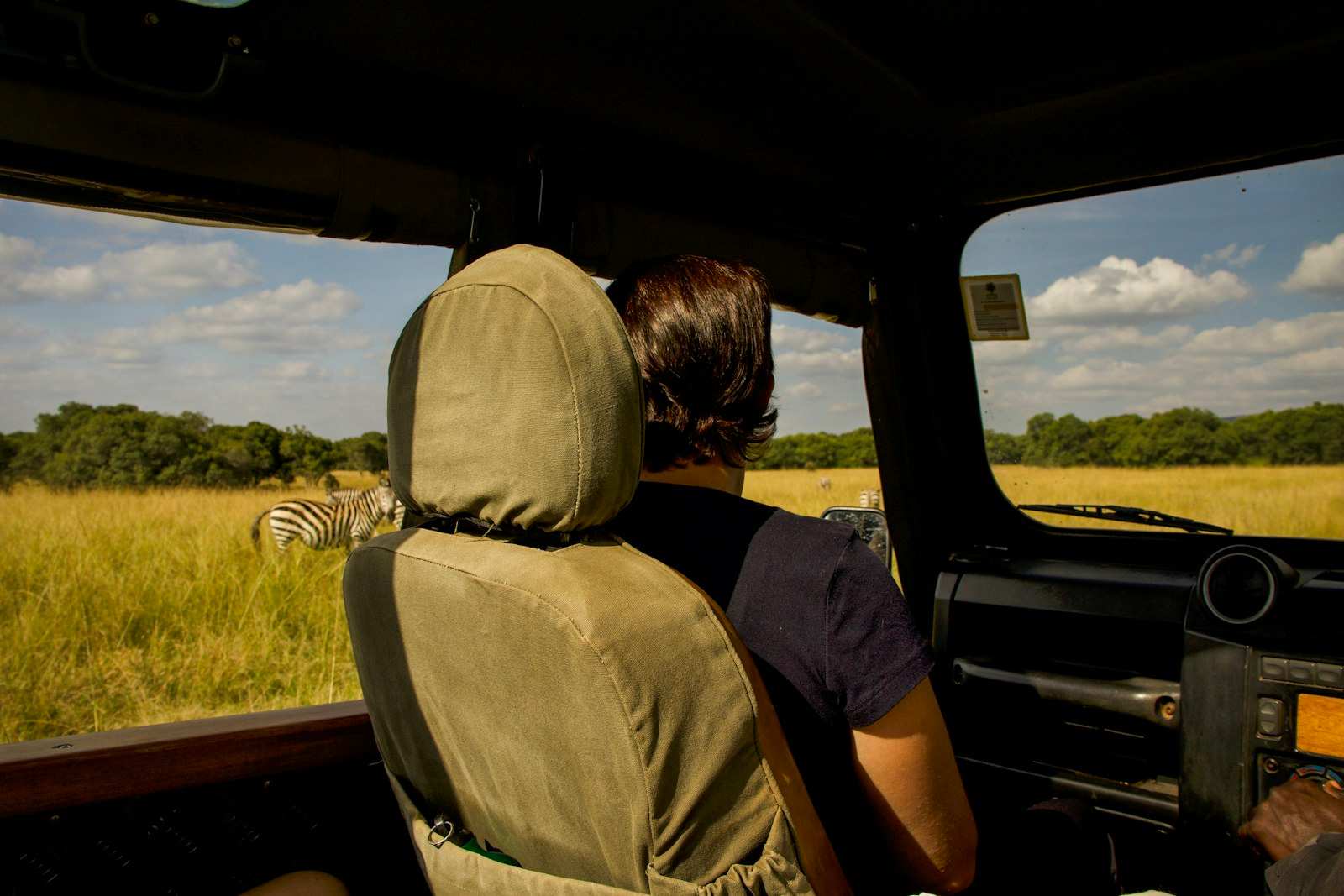
Game drive. The core of a safari: three or four hours in a vehicle with a guide, looking for animals. The usual rhythm is two a day, one from about six in the morning and one from about four in the afternoon, with the hot middle of the day spent in camp.
Full-day drive. A game drive that leaves after breakfast and returns in the late afternoon, with a packed lunch. Useful when you are after something specific, such as the herds at the Mara River.
Pop-top. A Land Cruiser whose roof lifts on struts, so you can stand with your head and shoulders out and still be shaded. The standard safari vehicle in Kenya.
Game viewer. An open-sided vehicle with raised, tiered seats and a canvas roof. Common in the conservancies and at many camps around the Mara. The safari vehicles guide compares the two.
Guide. The person who drives the vehicle and finds and explains the animals. On a road safari you usually keep one guide for the whole trip. At a fly-in camp the camp provides its own.
Spotter or tracker. A second pair of eyes who works with the guide, often in a seat on the front of the vehicle or on foot. Not every camp has one.
Night drive. A drive after dark with a red-filtered spotlight, looking for animals that are active at night, such as genets, bushbabies and hunting cats. Allowed in conservancies and on private land, and generally not in the national parks or the Mara reserve.
Walking safari. Game viewing on foot with an armed guide, at the pace of tracks, dung and birdsong rather than big animals. Mostly a conservancy activity.
Habituated. Used of animals that have grown used to vehicles or people, so they carry on as normal when watched. Gorilla families that visitors are allowed to see are habituated over years.
Out of the vehicle
Sundowner. A drink at the end of the afternoon drive, somewhere with a view, while the sun goes down.
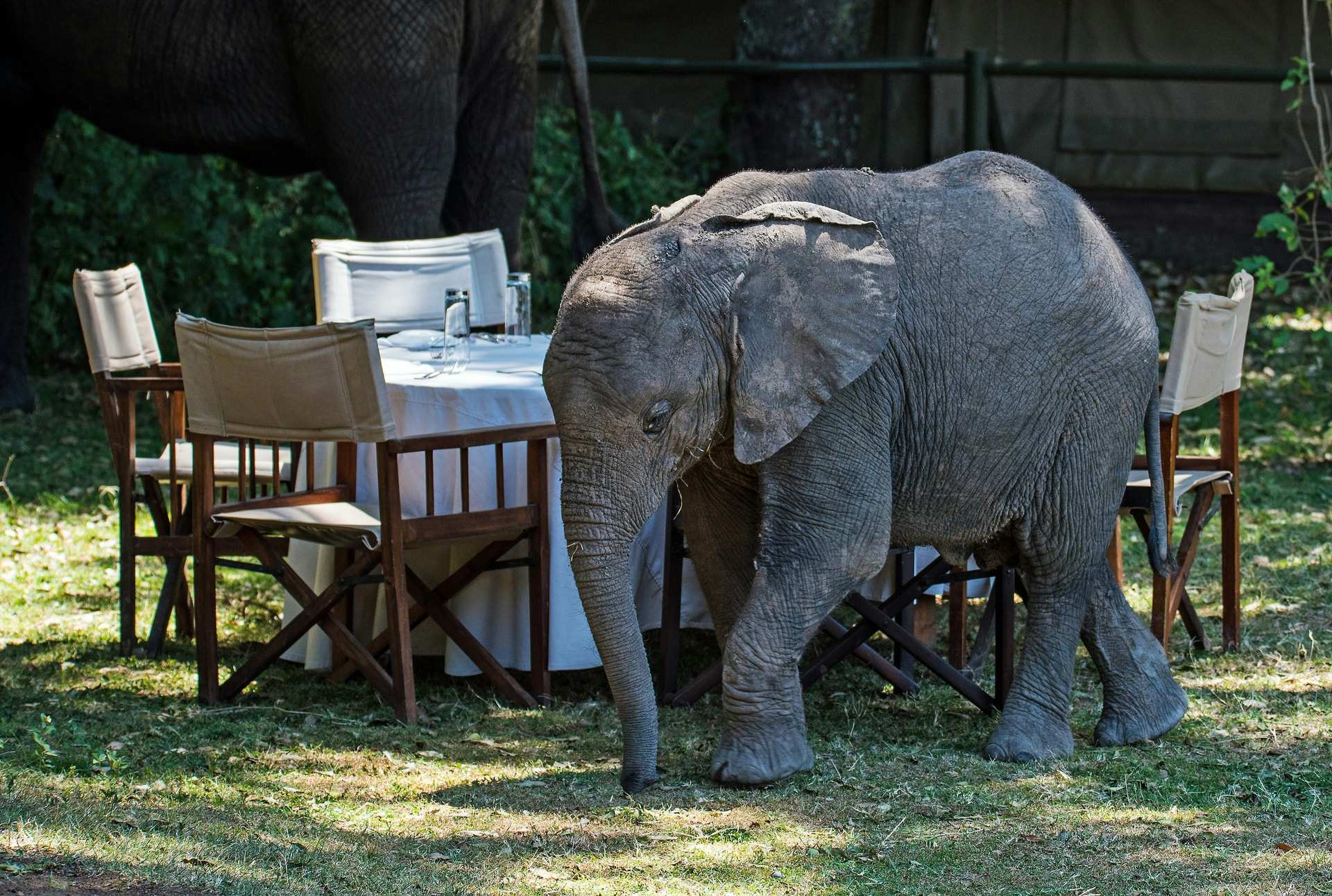
Bush breakfast, bush lunch, bush dinner. A meal laid out in the open rather than in the dining tent, often under a large tree.
Boma. An enclosure, traditionally the thorn fence round a homestead or livestock. At a camp, a boma dinner is eaten round a fire inside a fenced circle.
Manyatta. A Maasai homestead. A visit to one is sometimes offered as a cultural visit, and the better ones are run by the community itself.
Star bed. A bed on an open platform, so you sleep under the sky with a guard nearby. Usually one night of a longer stay.
Askari. A guard or escort. After dark, an askari walks you between your tent and the dining area, and at most camps you are asked not to walk alone at night.
Getting there
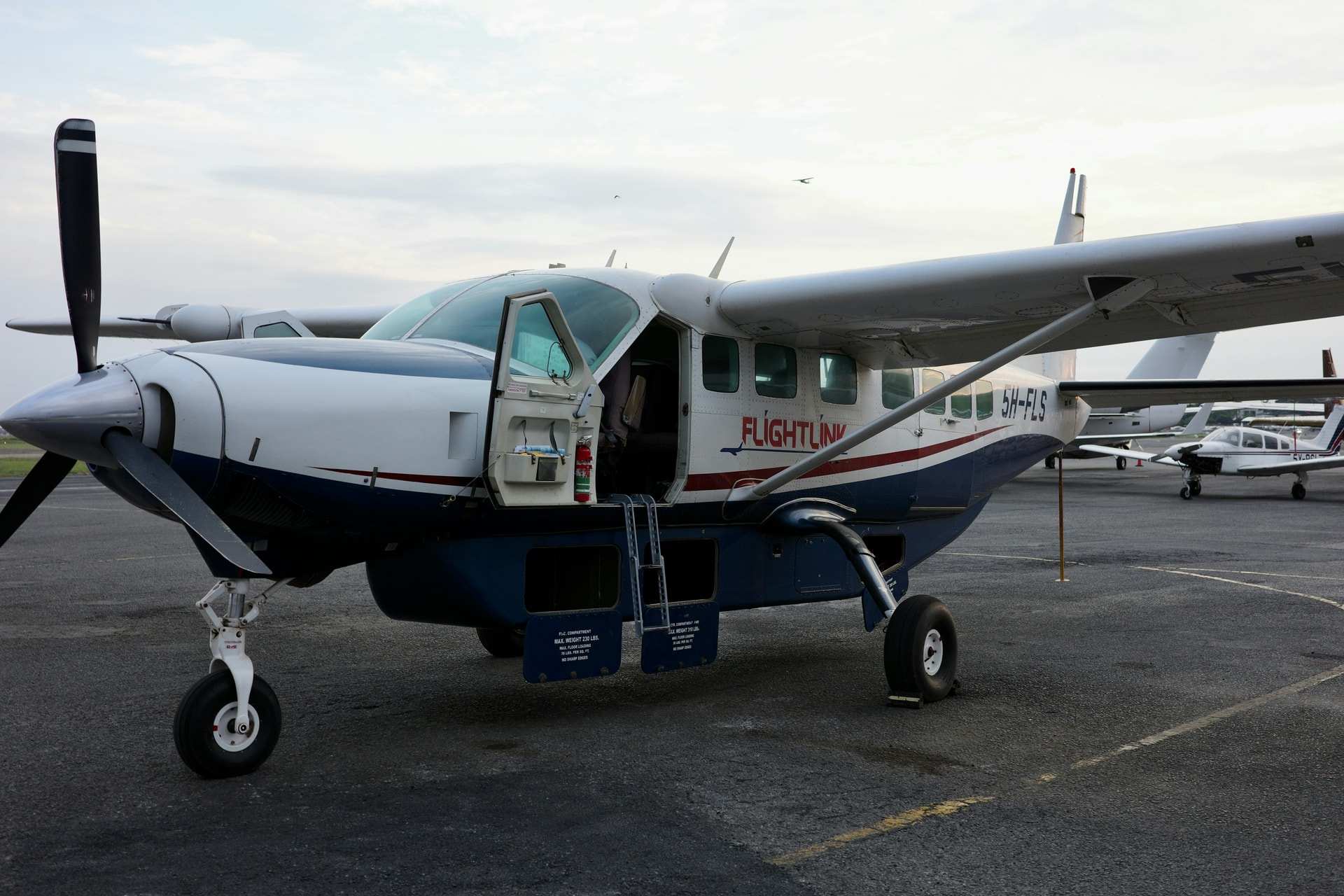
Wilson Airport. Nairobi’s airport for light aircraft, a short drive from the city centre and separate from the international airport. Most flights to the parks leave from here.
Airstrip. A dirt runway near a camp, usually with a windsock and a shaded waiting area. Flights to the airstrips run on scheduled routes and may stop at other strips on the way.
Fly-in safari. A trip that moves between parks by light aircraft rather than by road. Road or flying? sets out the difference.
Soft bag. A bag with no wheels and no rigid frame, required on light aircraft because the hold is a shaped space. The weight limit is set by the airline and confirmed in writing before you fly.
Transfer. Any arranged journey between two places, such as from the airport to your hotel or from an airstrip to your camp, with a driver waiting for you.
The land you are on
National park. State land run for wildlife by the Kenya Wildlife Service, with no settlements inside. Examples include Amboseli, Tsavo, Nairobi and Lake Nakuru. There are rules on driving off the tracks and on being out after dark.
National reserve. Protected land run by a county government rather than KWS. The Maasai Mara National Reserve is run by Narok County, and Samburu National Reserve by Samburu County.
Conservancy. Community or private land set aside for wildlife, usually by landowners who lease their land to camps in return for fees. Most conservancies limit the number of beds and vehicles, allow walks and night drives, and are quieter than the neighbouring reserve.
Concession. An area where one camp or company holds the rights to operate. In practice, the vehicles you meet on a drive belong to your camp or its neighbours.
Where you sleep
Tented camp. Canvas rooms on permanent platforms, with proper beds, en-suite bathrooms and usually hot water and electricity. Camp in Kenya almost never means pitching a tent yourself.
Mobile camp. A camp that is taken down and put up again as the seasons change, often to follow the migration. Simpler than a permanent camp, and closer to where the animals are that month.
Fly camp. A simple overnight camp away from the main camp, usually reached on foot or by vehicle, for one night closer to the wild.
Lodge. A permanent building of stone, thatch and glass, with rooms rather than tents. Usually larger than a camp and often with a pool.
Banda. A simple self-contained cottage, found in some parks and on the coast.
Rates and what is included
BB, HB, FB. Bed and breakfast; half board, which adds dinner; full board, which covers all three meals.
All-inclusive. Meals, most drinks and, at many safari camps, laundry and the camp’s activities. Every property draws the line in a different place, so ask where this one draws it.
Game package. Full board plus two game drives a day and the camp’s usual activities. A rate quoted as full board alone covers the meals, and the game drives are charged on top. This is one of the commonest surprises on a safari bill. Kenya safari cost explains the rest of a quote.
Per person sharing. The price for one person when two share a room. A room for two costs twice the figure.
Single supplement. The extra a solo traveller pays for a room priced for two. Some camps reduce or waive it in the quieter months.
Resident rate. A separate price for citizens and residents of the East African Community, who show ID or a residence permit at check-in. It is its own rate sheet, not a discount. Ours are on the resident rates pages.
Park fees and conservancy fees. Daily charges per person, set by the park authority or the conservancy. Conservancy fees are often built into a camp’s rate.
Seasons
High season and peak season. High season is the dry middle of the year and the Christmas weeks. Peak is the narrower stretch inside it when camps sell out first. On a rate sheet both are date ranges.
Green season. The rainy months, when the country turns green, camps are quiet and rates fall. In Kenya that means roughly April, May and November. The best time to visit Kenya guide goes through every month.
Calving season. The weeks when the wildebeest give birth, around January and February on the short-grass plains of the southern Serengeti in Tanzania.
The animals
Big Five. Lion, leopard, elephant, buffalo and rhino. Hunters coined the phrase for the five animals most dangerous to hunt on foot. Photographers inherited it.
Little Five. Elephant shrew, ant lion, rhinoceros beetle, buffalo weaver and leopard tortoise. A guide who can find all five is a good guide.
The Migration. The year-round movement of more than a million wildebeest, with zebra and gazelle, between the Serengeti and the Maasai Mara, following rain and new grass.
The Crossing. What most people mean by the migration: the herds bunching on a river bank and then plunging in, with crocodiles waiting. It happens when it happens, and nobody can sell you a date for it. The wildebeest migration guide explains the timing.
A few words of Swahili
You will hear these every day, and people are pleased when you use them.
Jambo. Hello. Habari? How are you? The reply is nzuri, fine.
Karibu. Welcome, and also “you’re welcome”.
Asante, or asante sana. Thank you, or thank you very much.
Pole pole. Slowly, slowly. You will hear it on a steep path and whenever you are in a hurry.
Simba, chui, tembo, twiga, kifaru, nyati. Lion, leopard, elephant, giraffe, rhino and buffalo.
If a word on your itinerary is not here, ask us. Your first safari puts the whole trip in order, and the safari packing list covers what to bring.