On this page
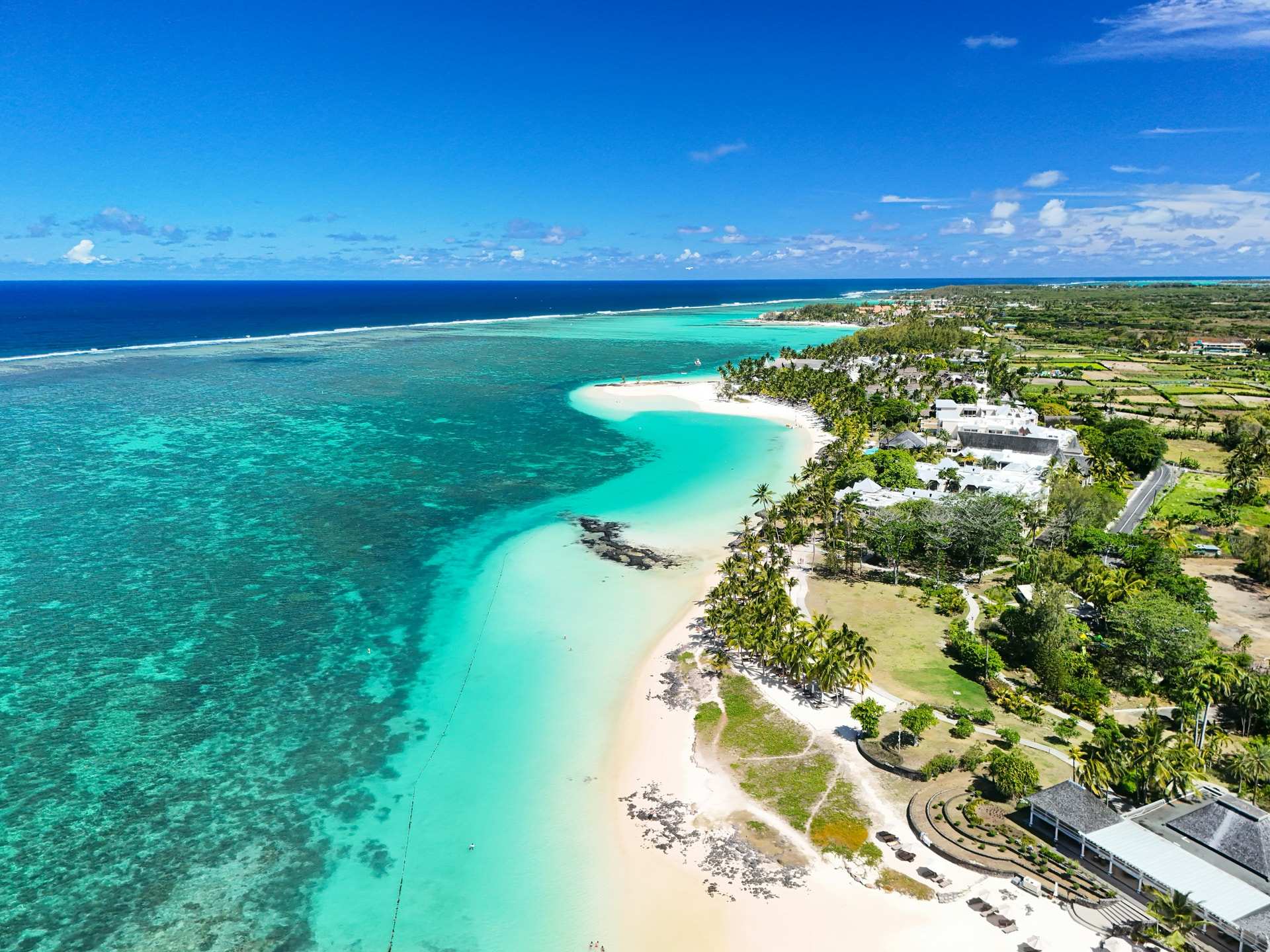
The best time to visit Mauritius is May to June and September to December. These are the dry, warm months, with long sunny days and a calm lagoon. October is the driest month of the year.
In between, July and August are the island’s winter: cooler, dry and windy, very good on the west and north coasts and blustery on the east and south. January to March is the heart of the summer rains and of the cyclone season, and those are the months we plan around.
Mauritius has a short seasonal swing. The average summer temperature is only about four degrees above the winter one, so the question is rarely whether it will be warm. It is how much rain, how much wind, and which coast.
Mauritius weather by month
| Month | Weather | Sea and wind | Price level | Our verdict |
|---|---|---|---|---|
| January | Hot, humid, heavy rain | Cyclone season | High over New Year, then mid | Avoid |
| February | Among the wettest months, the hottest | Cyclone season at its peak | Mid | Avoid |
| March | Wet and humid, rain easing late | Cyclone risk continues | Mid | Avoid |
| April | Hot, humid, less rain | Warm, calm lagoons; late cyclone risk | Mid, high at Easter | Shoulder |
| May | Warm, drier, the start of winter | Trade winds return | Mid | Best |
| June | Dry, pleasantly cool | Trades steady; kitesurfing at Le Morne | Mid | Best |
| July | The coolest month, windy | East and south coasts blustery; humpback whales | High | Shoulder |
| August | Cool and windy | Whales off the west coast | High | Shoulder |
| September | Warming, dry, wind easing | Whales | Mid | Best |
| October | The driest month | Calm, warm sea; whales | High | Best |
| November | Warm and sunny, summer begins | Calm lagoons | Mid to high | Best |
| December | Hot, humid, showers building | Warm sea, calm lagoons | Peak at Christmas | Best |
The Mauritius Meteorological Services count November to April as summer and June to September as winter, with May and October in between. January and February have the warmest days, averaging about 29°C at their highest; July and August the coolest nights, around 16°C on average across the island, colder on the central plateau than on the coast.
The dry, warm months: May to June and September to December
These are the months we send most people. In May and June the summer humidity has gone, the days are sunny and warm, and hotels are usually on lower rates than in July. September brings the winter wind down and the sea back to calm. October is the driest month of the year, and November is warm, sunny and still mostly dry.
December is the start of summer. The sea is warm and the days are long, but it is humid, and afternoon showers become more common as the month goes on. Christmas and New Year are the most expensive and most heavily booked weeks of the year.
The cyclone season: January to March
Mauritius gets about two-thirds of its rain in summer, and most of it falls from January to March, with February and March the wettest months. The central plateau is much wetter and cloudier than the coast: it gets about five to six hours of sunshine a day against seven and a half to eight or more at the beach.
The official cyclone season runs from November to April and can stretch to mid-May, but most cyclone activity comes between January and March. A direct hit on the island is rare. More often, a system passes nearby and brings a day or two of strong wind, heavy rain and disrupted flights, and Mauritius runs a graded cyclone warning system that hotels follow closely. If you travel in these months, take cover that includes delays: we can arrange travel insurance with the trip.
The upside is price. Outside the New Year weeks, January to March is one of the cheaper times to stay, and the rain comes mostly in heavy bursts rather than whole grey days.
July and August: which coast in the wind?
In winter the south-east trade wind blows across the island. The east and south coasts, around Belle Mare and Blue Bay, face straight into it: cooler, breezier and sometimes choppy. The west coast around Flic en Flac and Tamarin, the Le Morne peninsula and the north coast around Grand Baie are in its lee, calmer and usually sunnier.
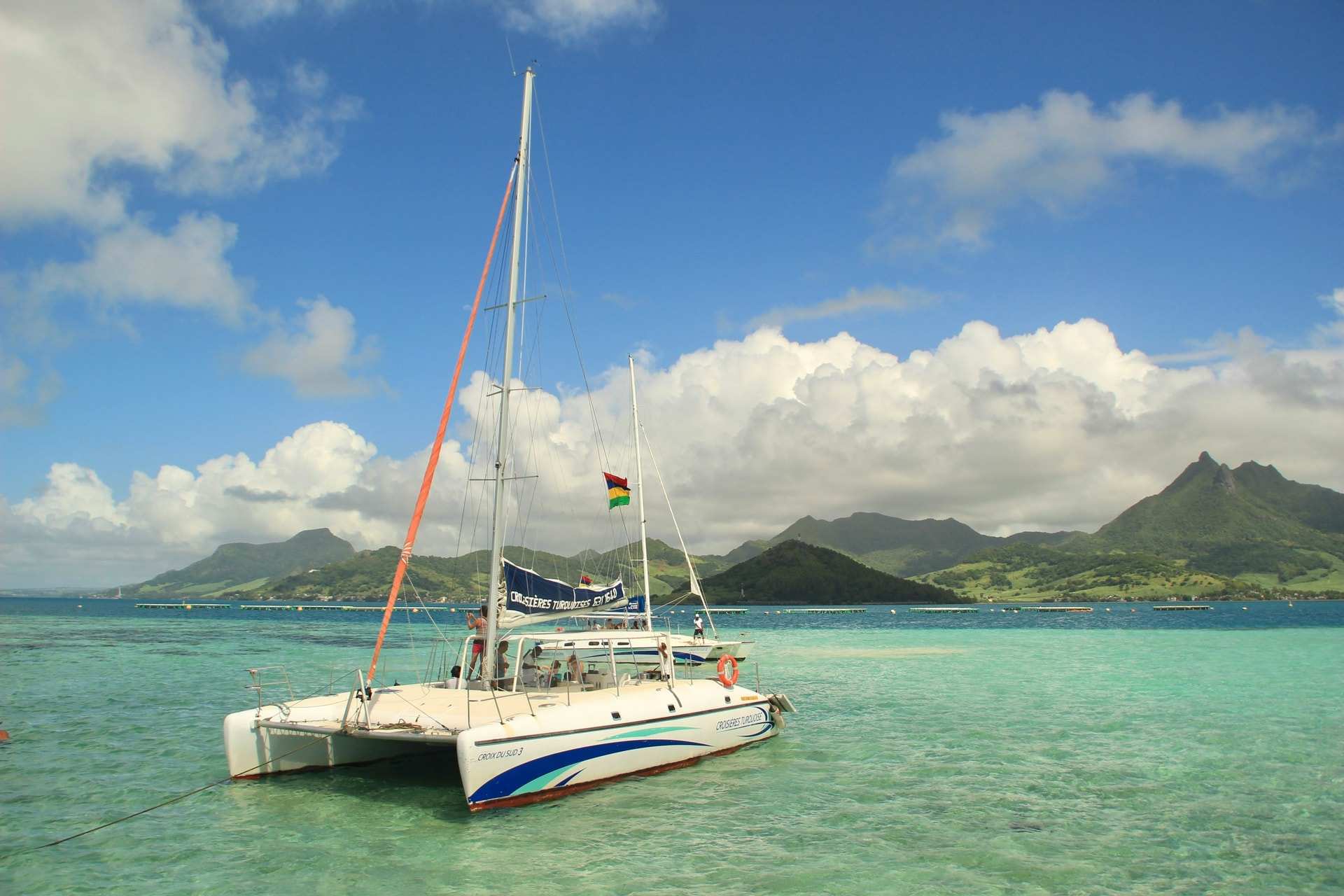
The coast you choose matters more than the month. A hotel on the sheltered side makes July and August a very good time to be here, and the same wind makes the east coast pleasant in the heat of summer. Our Mauritius page lists the resorts we book on each coast. The catamaran day to Ile aux Cerfs sails from the windward east, so the calmer mornings are the ones to pick.
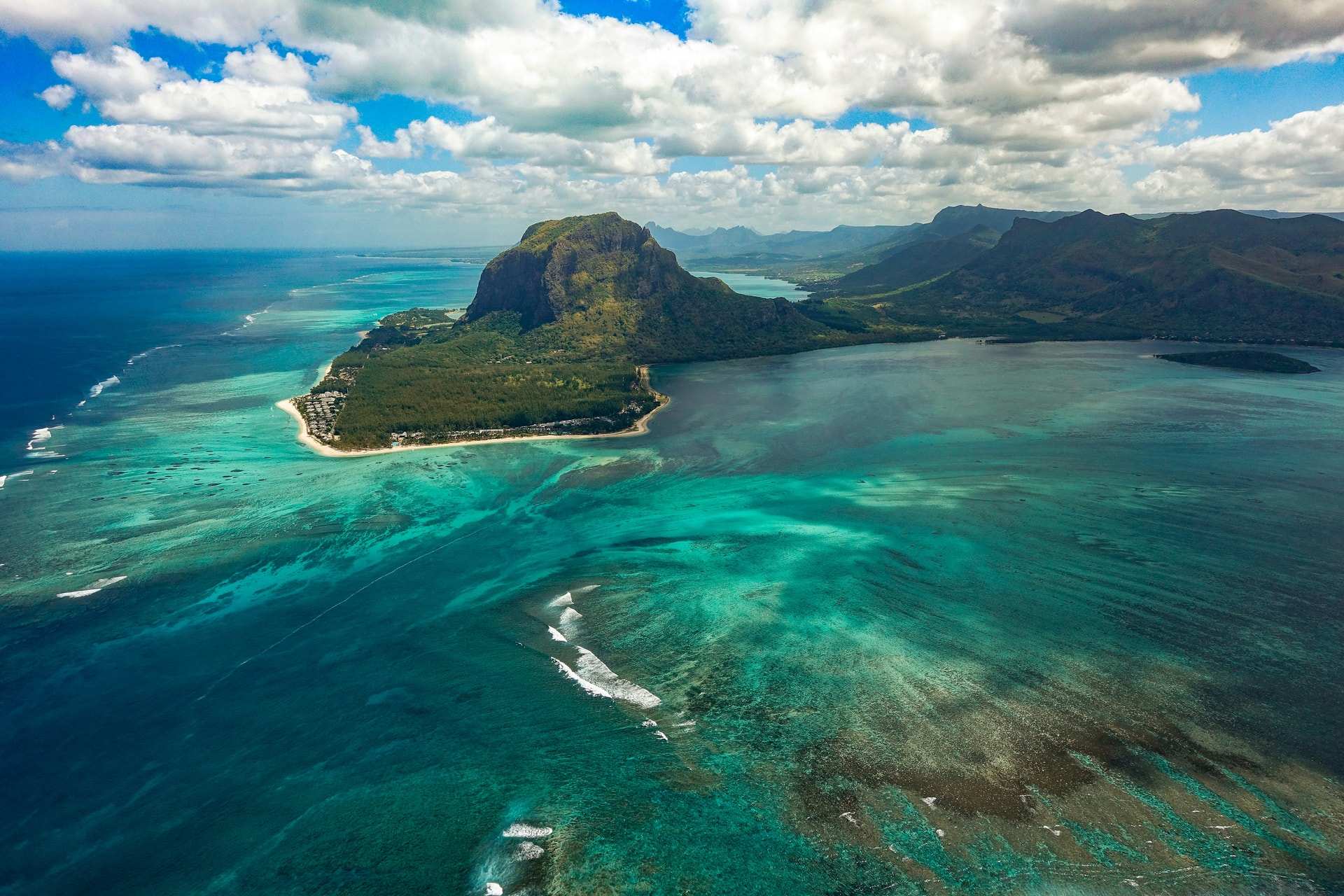
The same trade wind makes Le Morne one of the best-known kitesurfing spots in the Indian Ocean. It blows most days from about May to October, most reliably from June to September. For walkers, the cooler months are the easier ones for the Le Morne hike.
Whales, dolphins and diving
Humpback whales pass the west coast on their migration from about July to November, with the most sightings from July to September. Sperm whales live off the island all year. Spinner dolphins are seen off the west coast in every month, and the early dolphin trip from Tamarin goes out when the morning sea is at its flattest.
The warmest, clearest water for snorkelling and diving comes in the calm summer months, roughly November to April outside the cyclone weeks. In winter the lagoon stays swimmable, but the sea outside the reef is rougher, especially on the east coast.
What each month costs
The most expensive weeks are Christmas and New Year, followed by Easter and the European summer in July and August, when the island is cool and windy but full of families. October and November are also busy, because the weather is at its best. The better-value months are May and June, when the rain has gone and the winter holidays have not started, and January to March outside the New Year weeks, when the cyclone season keeps prices down. Our five-night Mauritius trips are quoted on the dates you choose, so we can show you the difference a week makes.
Festivals by season
Mauritius celebrates the festivals of its Hindu, Tamil, Chinese, Muslim and Christian communities, many of them public holidays. The dates follow lunar calendars and move from year to year. The ones visitors notice most are Chinese Spring Festival and Thaipoosam Cavadee in January or February, Maha Shivaratri in February or March, when pilgrims walk to the sacred lake at Grand Bassin, and Divali in October or November.
Mauritius with a safari, or via Dubai
Kenya Airways flies nonstop from Nairobi to Mauritius in about four and a half hours, several days a week, so the island works well at the end of a safari. We issue the tickets with the hotel booking, so the flight times and the transfer fit together. The best overlap is September or October: the Maasai Mara is dry, the herds are usually still there, and Mauritius is entering its driest weeks. The best time to visit Kenya covers the safari side.
The other shape we often build is a few nights in Dubai on the way. Dubai is at its best from November to March, so a November or December trip suits both stops.
When we would go
For a first visit, go in October: the driest month, a warm sea, whales still off the west coast and a Kenya safari in season beforehand. For value, go in May or June, when the rain has cleared and the winter prices have not yet arrived.
If you are weighing Mauritius against its neighbours, Seychelles has its calm months in April, May, October and November, and the when-to-go table sets every destination we book side by side.
Sources
- metservice.intnet.mu/climate-services/climate-of-mauritius.php
- go2africa.com/destinations/mauritius/when-to-go
- real-estate-mauritius.mu/en/cyclone-season-mauritius
- whalewatchingmauritius.com/whales-watching.php
- kiteinmoris.com/en/blog_pages/vent-maurice-kitesurf-guide-complet-des-alizes-2024
- kenya-airways.com/en_ke/flights-from-nairobi-to-mauritius