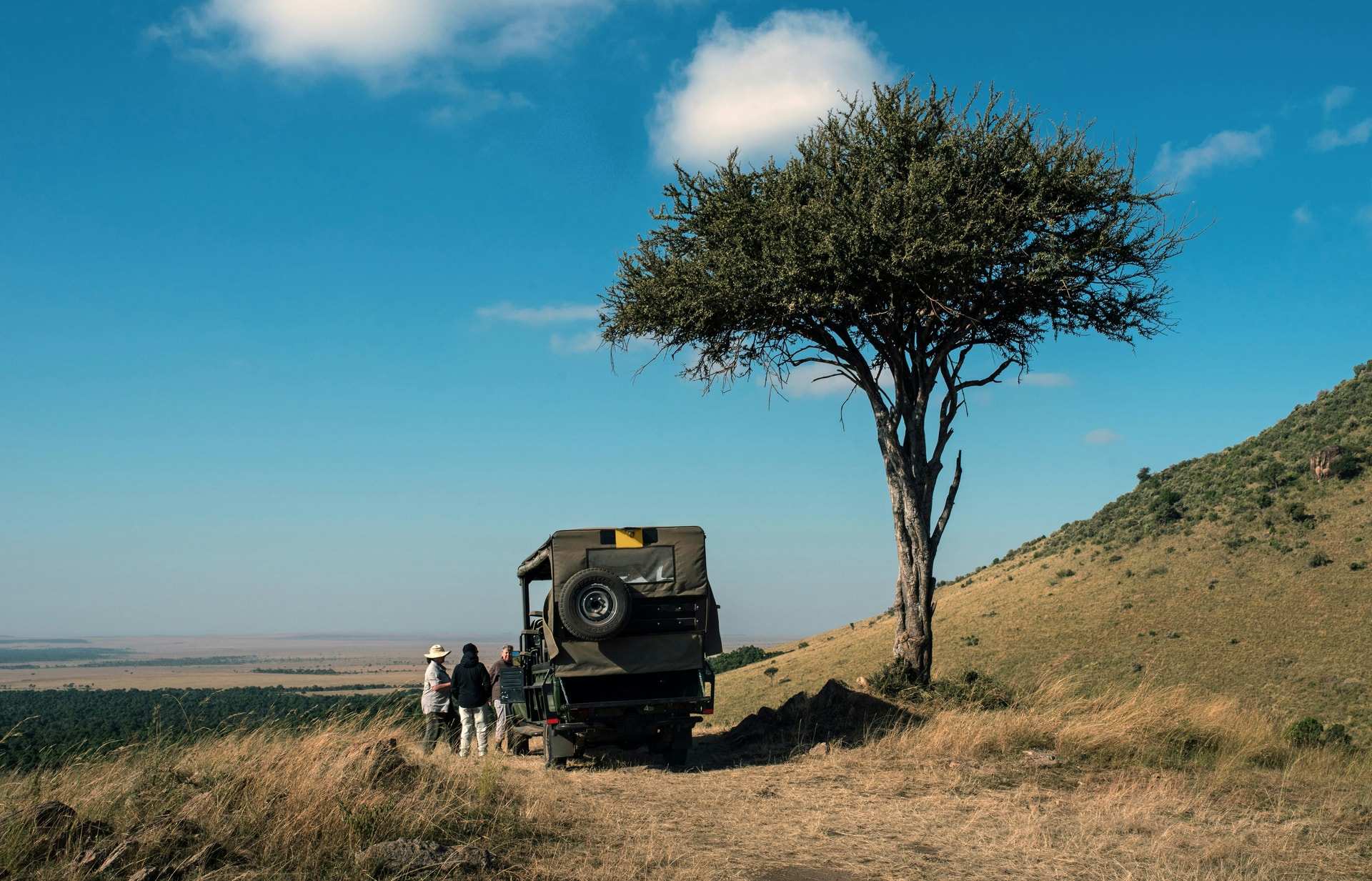
On this page
For a first safari of a week or so, we usually start people in Kenya. The parks sit closer together, Nairobi has more international flights than Kilimanjaro, and the private conservancies around the Masai Mara give you game drives with very few other vehicles. For a longer trip, a second safari, or anyone set on calving season, Tanzania has the edge: the Serengeti is about ten times the size of the Mara reserve, and the Ngorongoro Crater has no equivalent anywhere.
Most of the time the question has a third answer, which is both. The Mara and the Serengeti are one ecosystem split by a border, and we book trips that cross it.
The short answer
| Kenya | Tanzania | |
|---|---|---|
| Headline parks | Masai Mara, Amboseli, Samburu, Laikipia | Serengeti, Ngorongoro Crater, Tarangire, Lake Manyara |
| Migration | July to October on the Mara River | All year, including calving from January to March |
| International arrival | Nairobi (Jomo Kenyatta) | Kilimanjaro or Dar es Salaam |
| Moving between parks | Short flights from Wilson, or road | Longer distances; more of the trip flown |
| Park fees | Mara reserve USD 100 a day to June, USD 200 July to December | Serengeti USD 70 plus 18% VAT a day, plus a nightly concession fee inside the park |
| Night drives and walking | Allowed in the private conservancies | Not in the national parks; some private concessions allow them |
| Beach | Diani, Watamu, Lamu | Zanzibar |
| Families | Shorter transfers, many family camps | Better for older children who can manage the distances |
Masai Mara or Serengeti?
The Serengeti National Park covers about 14,760 square kilometres. The Masai Mara National Reserve is about 1,510. That difference shapes almost everything else.
In the Serengeti you can drive for an hour without seeing another vehicle, especially in the north and west. The Mara is compact, and at a crossing point in August you will share the bank with others. What the Mara has instead is its conservancies: Naboisho, Olare Motorogi, Mara North, Ol Kinyei and their neighbours, private land leased from Maasai landowners, where camps limit the number of vehicles and let you walk and drive at night. A week split between a conservancy and the reserve is the best version of the Mara.
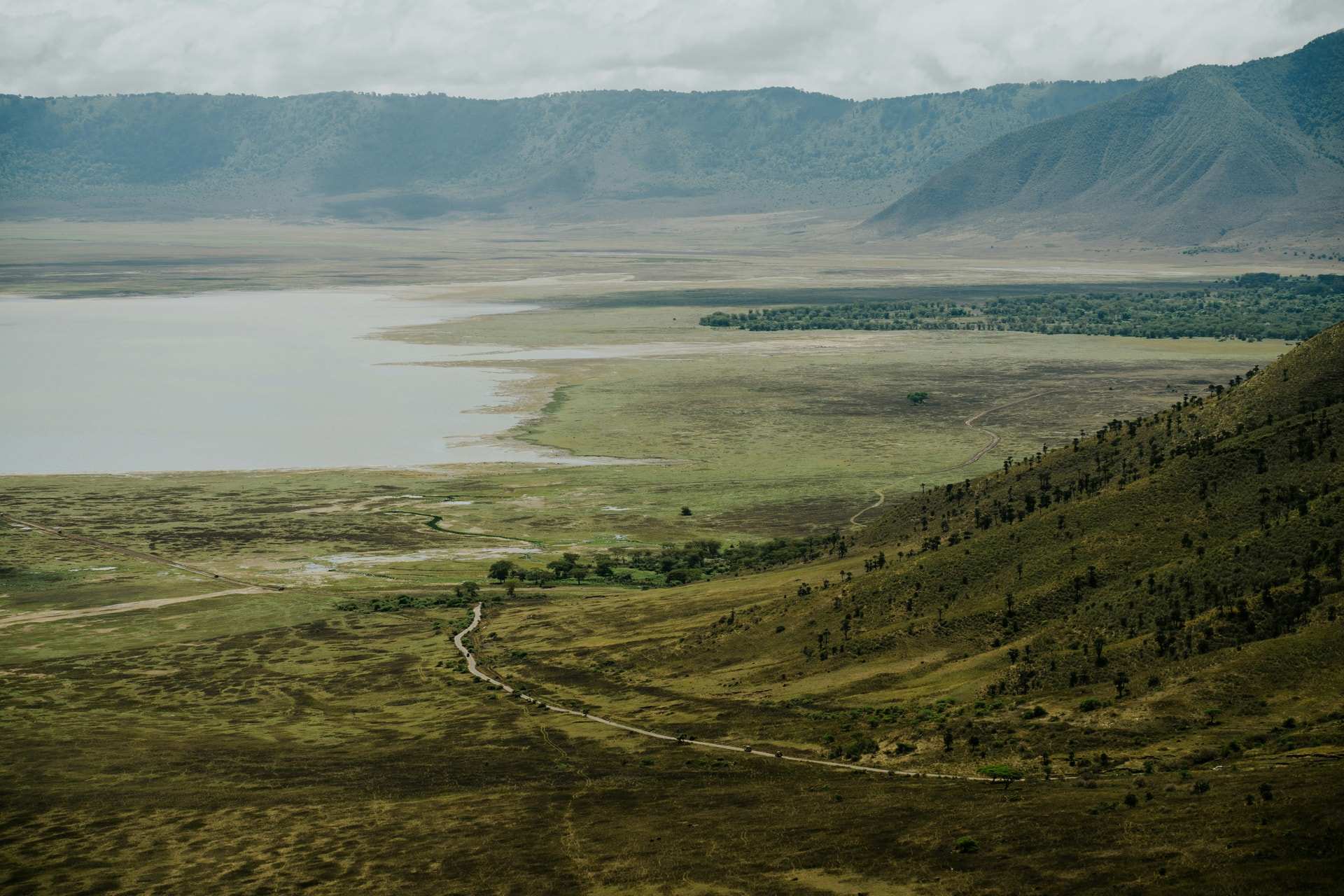
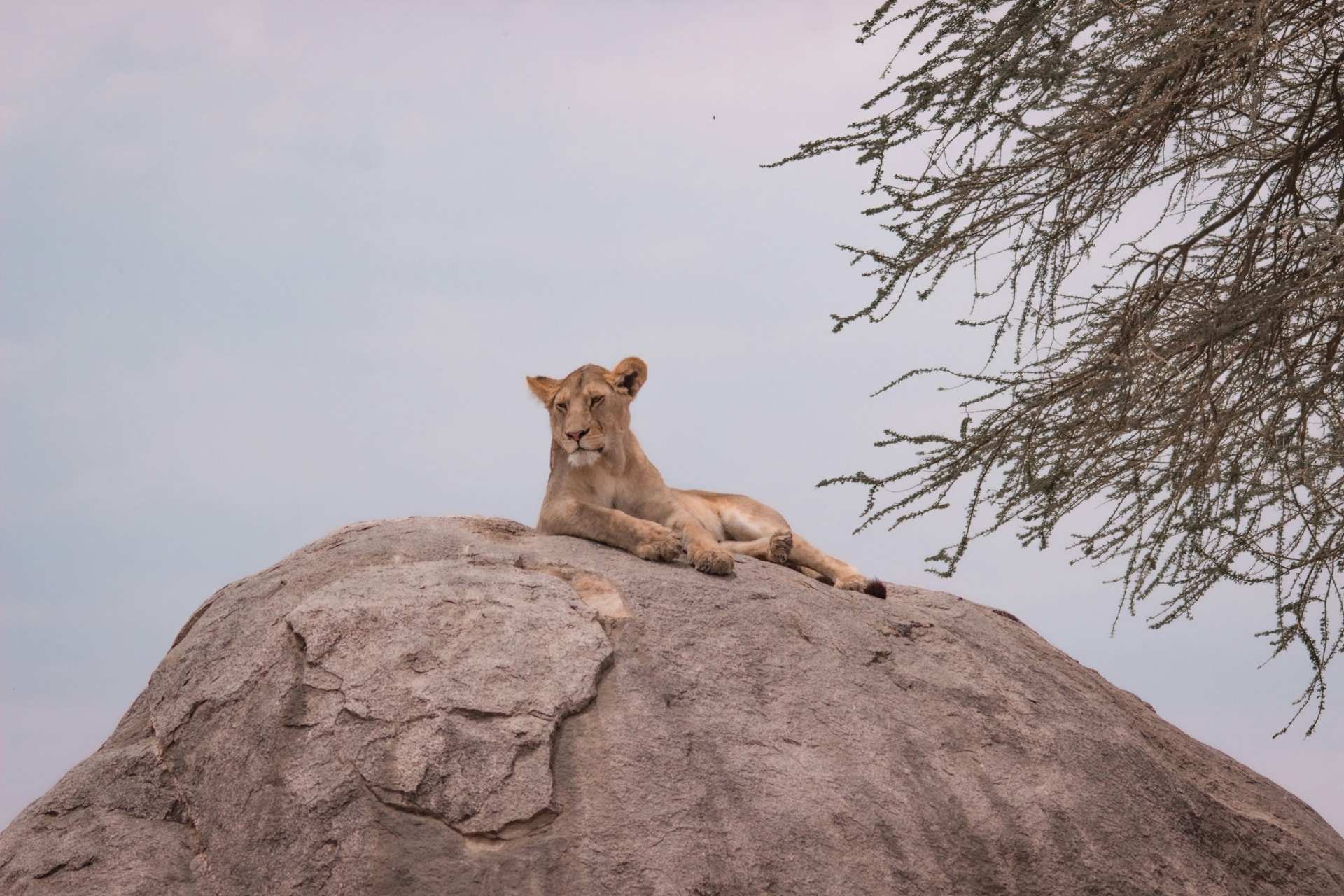
The game is the same animals in both. Lion, leopard, cheetah, elephant, buffalo, the plains game and the herds. Black rhino are easier in Kenya, on the conservancies of Laikipia such as Ol Pejeta, and on the Ngorongoro Crater floor in Tanzania.
Which is better for the migration, by month?
From July to October the herds are on and around the Mara River, which forms part of the border. You can watch the crossings from the Masai Mara and the Mara Triangle in Kenya, or from Kogatende and the Lamai area in Tanzania’s northern Serengeti. The Kenyan side has more camps and is quicker to reach. The Tanzanian side is quieter.
From November to June the migration is a Tanzania story. The herds move south through the eastern Serengeti, calve on the Ndutu plains between January and March, and walk north again through the central Serengeti and the Western Corridor. Kenya has no part in it for those months. Our wildebeest migration guide has the month-by-month table.
Which costs more?
Tanzania, on most trips, though not for the reason people expect.
The gate fees are closer than they look. Narok County charges non-resident adults USD 200 a day to enter the Mara reserve from July to December, and USD 100 from January to June. TANAPA charges USD 70 plus 18% VAT a day for the Serengeti, and a nightly concession fee on top if you sleep inside the park. In peak season a night in the Mara reserve can cost more in fees than a night in the Serengeti. Many Mara conservancy camps fold their own fees into the rate instead.
Where Tanzania adds up is distance. The northern circuit runs from Arusha to the Serengeti’s far north, and most comfortable itineraries fly at least one leg. The Ngorongoro Crater has a service fee of USD 295 per vehicle for each descent on top of the conservation fee, set by the Ngorongoro Conservation Area Authority. Camps in the Serengeti are also further from supply towns, and that shows in the rates.
Kenya’s own advantage is the resident tariff. Citizens and residents of the East African Community pay shillings at most Kenyan camps, and our resident rate tables show those rates month by month. What a Kenya safari costs and what a Tanzania safari costs break down each country’s bill.
Getting there and getting around
Nairobi’s Jomo Kenyatta airport has more direct international flights than any other airport in the region, and it is where most of our travellers land. The Mara is a 45-minute to one-hour flight from Wilson Airport across town, and the other Kenyan parks are similar. By road, the Mara is a full day from Nairobi, Amboseli about four hours.
Tanzania’s safari arrivals land at Kilimanjaro International, near Arusha. From there the northern parks are on one road: Tarangire and Lake Manyara first, then the crater, then the Serengeti. Driving the whole loop works, but the Serengeti’s north is a long way from Arusha, and most people fly that part.
If you are starting in Nairobi and want Tanzania, the options are a flight to Kilimanjaro, or the road through the Namanga border post to Arusha. As an IATA-accredited agency we ticket the international and regional flights with the safari, so one booking holds every leg.
The beach: the Kenyan coast or Zanzibar?
Both countries have a beach week at the end of the safari.
Kenya’s coast is Diani, Watamu, Malindi and Lamu. Diani has the long white beach and the big resorts. Watamu has a marine park on the reef and a quieter village. Lamu is a Swahili island town where there are almost no cars. All three are a short flight from the Mara or Nairobi.
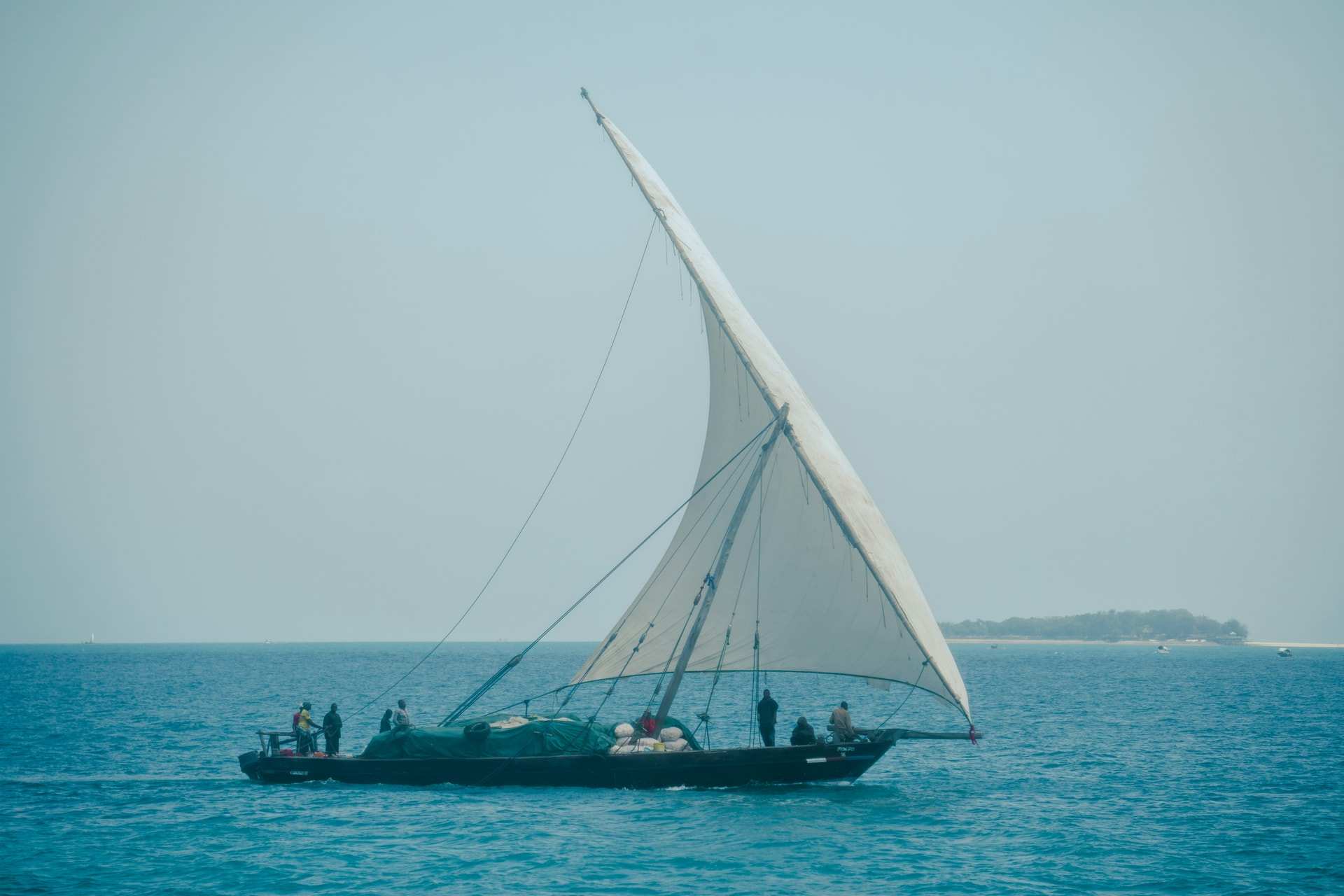
Tanzania’s is Zanzibar, with Stone Town and beaches on every side of the island. It is a short flight from Arusha, Kilimanjaro or Dar es Salaam, and it is also reachable directly from Nairobi. The Zanzibar resident rates show what the island’s hotels charge across the year.
The two coasts follow roughly the same pattern: dry from about June to October and again from December to February, with the heaviest rain in April and May.
Families, first-timers and second safaris
With young children, Kenya is usually easier. The flights between parks are short, many camps have family tents and children’s programmes, and a private vehicle in a conservancy lets you stop when the children need to. Our safari with children guide goes into ages and camps.
For a first safari, either country will show you everything on the list. We lean to Kenya for a week because it wastes fewer days in transit.
For a second safari, we often suggest Tanzania: calving season in February, the crater, and a stretch of the Serengeti where you can go all morning without another vehicle.
Doing both in one trip
The Mara and the Serengeti are one ecosystem, but the border between them is closed to tourist traffic, so you cannot drive from one park into the other. Cross-border trips fly from a Mara airstrip to Migori, cross the border by road to Tarime, then fly on into the Serengeti. The other way is through Nairobi and Kilimanjaro.
Three of our trips are built that way:
- Migration Extravaganza: the Mara, then Olakira on the Mara River in the northern Serengeti.
- SkySafari East Africa: Amboseli, Loisaba and the Mara, then the Serengeti and the crater, on one aircraft.
- Fly Me Around East Africa: andBeyond camps in both countries, with the flights between them included.
For the paperwork, most visitors need Kenya’s eTA and a Tanzanian visa. Tanzania’s ordinary eVisa is USD 50, and US citizens are issued a USD 100 multiple-entry visa. Our Kenya eTA guide covers the Kenyan side. Crossing from Kenya into Tanzania can also mean showing a yellow fever certificate, so check your vaccination record with a travel clinic before you book.
Tell us how many nights you have and which months, and we will say which country, or which split, we would book.