On this page
A Tanzania safari costs more than most people expect, and more than a Kenya safari of the same length and standard. The camps are part of that, but most of the gap comes from distance and fees: the parks are further apart, so more of the trip is flown, and Tanzania stacks a conservation fee, a concession fee, a crater fee and VAT on every night in the parks.
We will not print a per-day price range here. The range you see quoted elsewhere mostly measures the camps, and the camp is your choice. What we can show is the part nobody chooses: the government fees, read from the park authorities’ own tariffs, and the trips on our site that publish a price.
Where the money goes
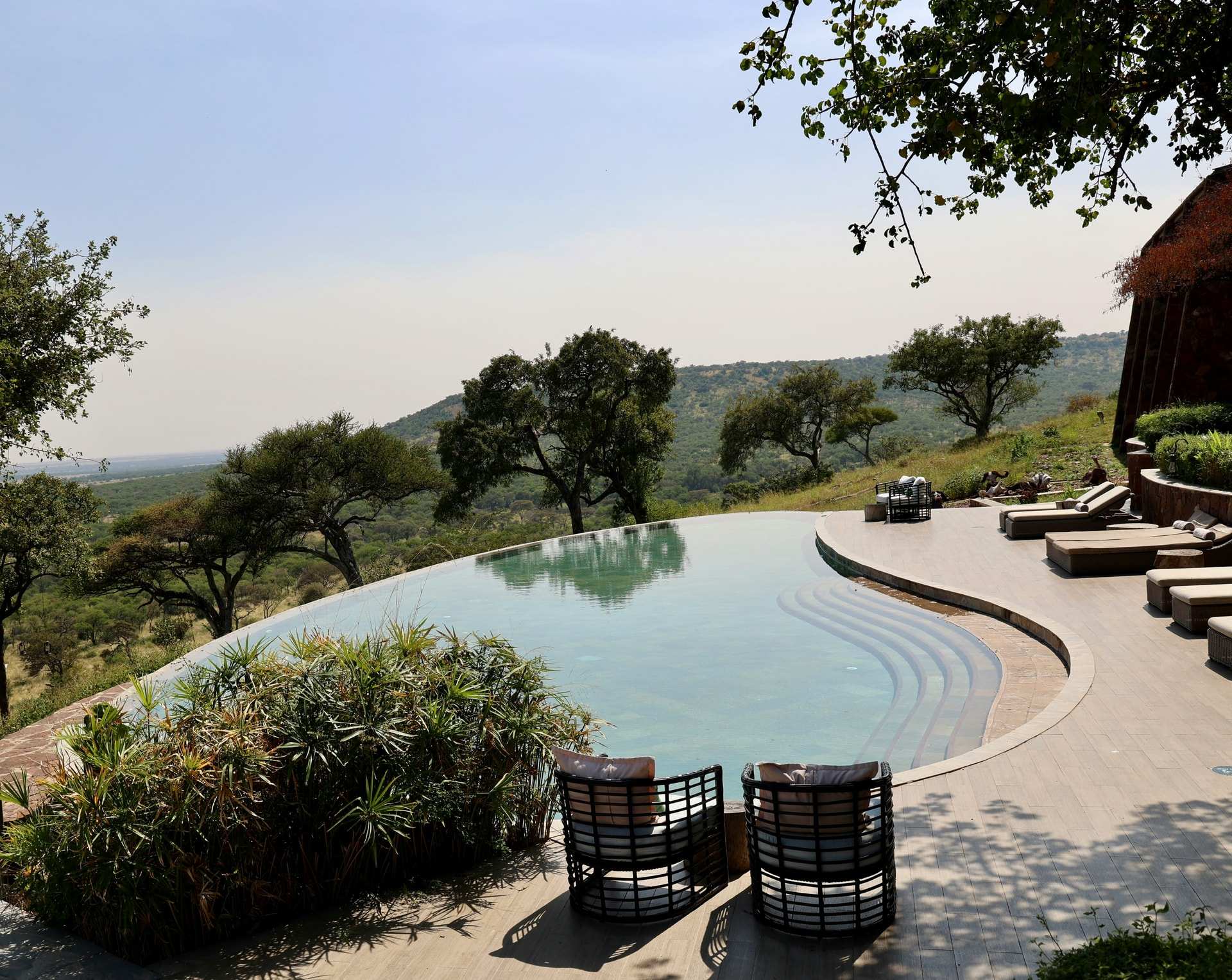
The camps. Usually the largest line. Tanzania has everything from simple lodges on the crater rim to mobile tented camps that follow the herds and small private houses in the northern Serengeti. The same seven nights can differ threefold depending only on where you sleep.
Moving between parks. Arusha to the central Serengeti is a full day on the road through the Ngorongoro highlands, and the far north is further still. Many itineraries drive the first half, Tarangire, Manyara and the crater, and fly the second. Flying costs more and saves days.
Fees. Set by the government, charged per person per day or night, and the same whichever company books you. The rest of this page is mostly about them, because they are the line people understand least.
Tanzania park fees, from the official tariff
Tanzania National Parks (TANAPA) sets fees for the national parks. Its published tariff, for July 2023 to June 2024, is still the one it lists as current. The figures below are for a non-East African adult, aged 16 and over, in US dollars, before 18% VAT.
| Fee | When | Per | USD |
|---|---|---|---|
| Serengeti conservation fee | 16 May to 14 March | person, 24 hours | 70 |
| Serengeti conservation fee | 15 March to 15 May | person, 24 hours | 60 |
| Tarangire and Lake Manyara conservation fee | 16 May to 14 March | person, 24 hours | 50 |
| Tarangire and Lake Manyara conservation fee | 15 March to 15 May | person, 24 hours | 45 |
| Ruaha conservation fee | All year | person, 24 hours | 30 |
| Serengeti hotel concession fee | July to September | person, night | 60 |
| Serengeti hotel concession fee | October to June | person, night | 50 |
Children aged 5 to 15 pay a lower rate: USD 20 a day in the Serengeti, for example. Children under 5 pay nothing.
The concession fee is the one that surprises people. If your camp is inside the Serengeti, you pay it every night on top of the conservation fee. Three nights in a camp inside the park in August come to USD 390 per adult in fees before VAT, and about USD 460 with it.
The Ngorongoro Crater fee, and why the crater day costs more
The Ngorongoro Conservation Area is run by its own authority, not TANAPA, and it has its own tariff. The NCAA lists an entry fee of USD 70.80 per adult for 24 hours, and USD 23.60 for children aged 5 to 15.
On top of that, every vehicle that drives down to the crater floor pays a crater service fee of USD 295 for each descent. That fee is per vehicle, not per person, so a family of four in one vehicle shares it, and a couple on a private safari carries it between two.
Because the Serengeti’s main road runs through the conservation area, you will usually pay the NCAA entry fee on the way in and out even if you never go down into the crater. For most itineraries, one crater day is enough.
Why Tanzania usually costs more than Kenya
The daily fee is not the reason. Narok County charges non-resident adults USD 200 a day to enter the Masai Mara reserve from July to December 2026, which is more than the Serengeti’s conservation fee and concession fee combined.
The difference is in everything around the fee. The Serengeti is about ten times the size of the Mara reserve, and the northern circuit runs from Arusha all the way to the Kenyan border, so more of the trip is flown and bush flights are priced per seat. The crater day, with its USD 295 vehicle fee on top of entry, has no equivalent in Kenya. Tanzania adds 18% VAT to park fees. And camps deep in the Serengeti are a long way from supply towns, which shows in their rates.
Against that, Tanzania gives you more room. In large parts of the Serengeti you can drive for an hour without seeing another vehicle, and that is part of what the price buys. Our Kenya or Tanzania guide sets the two countries side by side, and what a Kenya safari costs reads the Kenyan side from our own rate tables.
Road or fly-in in Tanzania
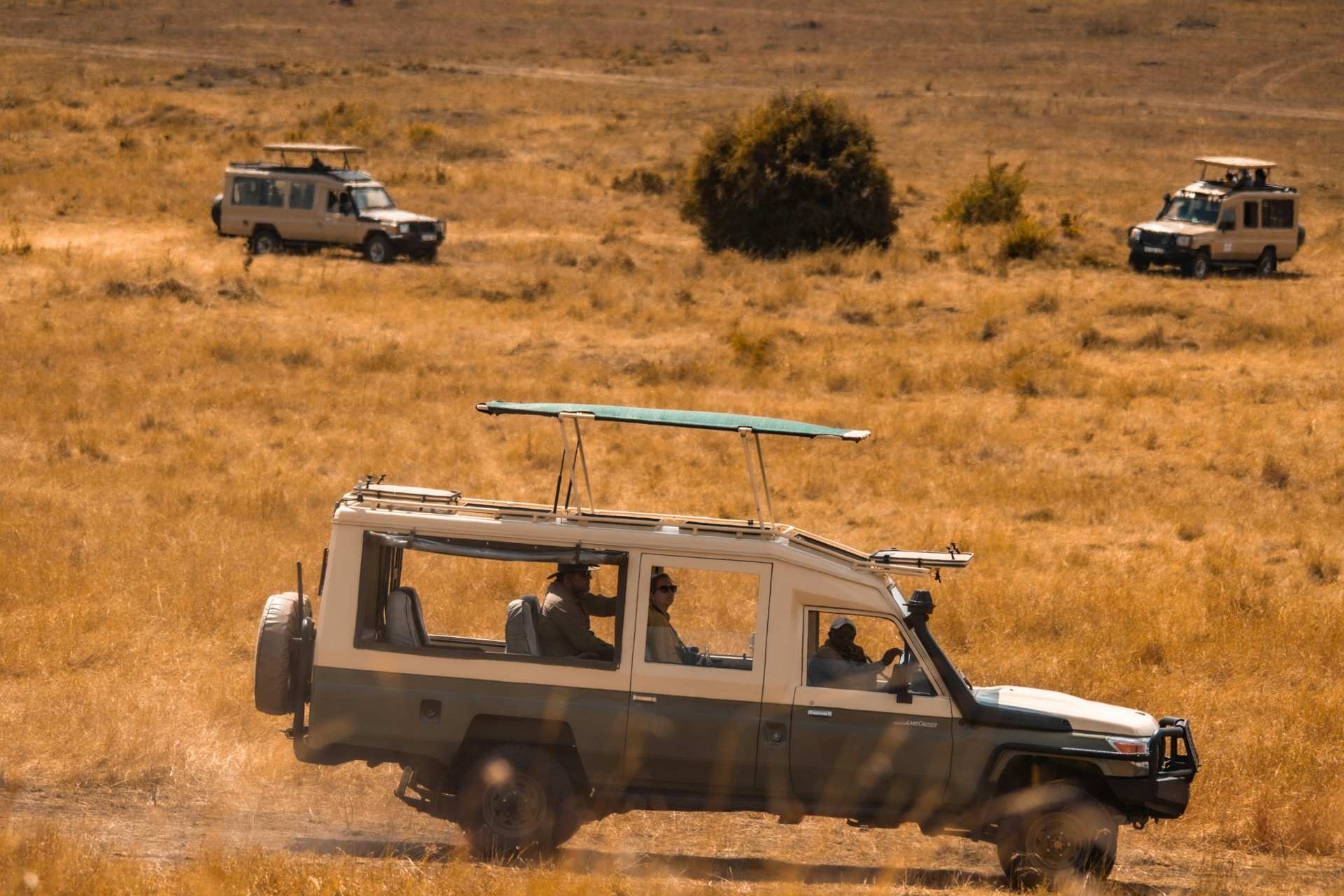
A road safari in Tanzania uses a Land Cruiser with a pop-top roof and a driver-guide for the whole trip. It is the cheaper option for a family or a group, because the vehicle cost is shared, and the drive from Arusha through the highlands to the Serengeti is part of the experience. It is also long. See road safaris for how the day works.
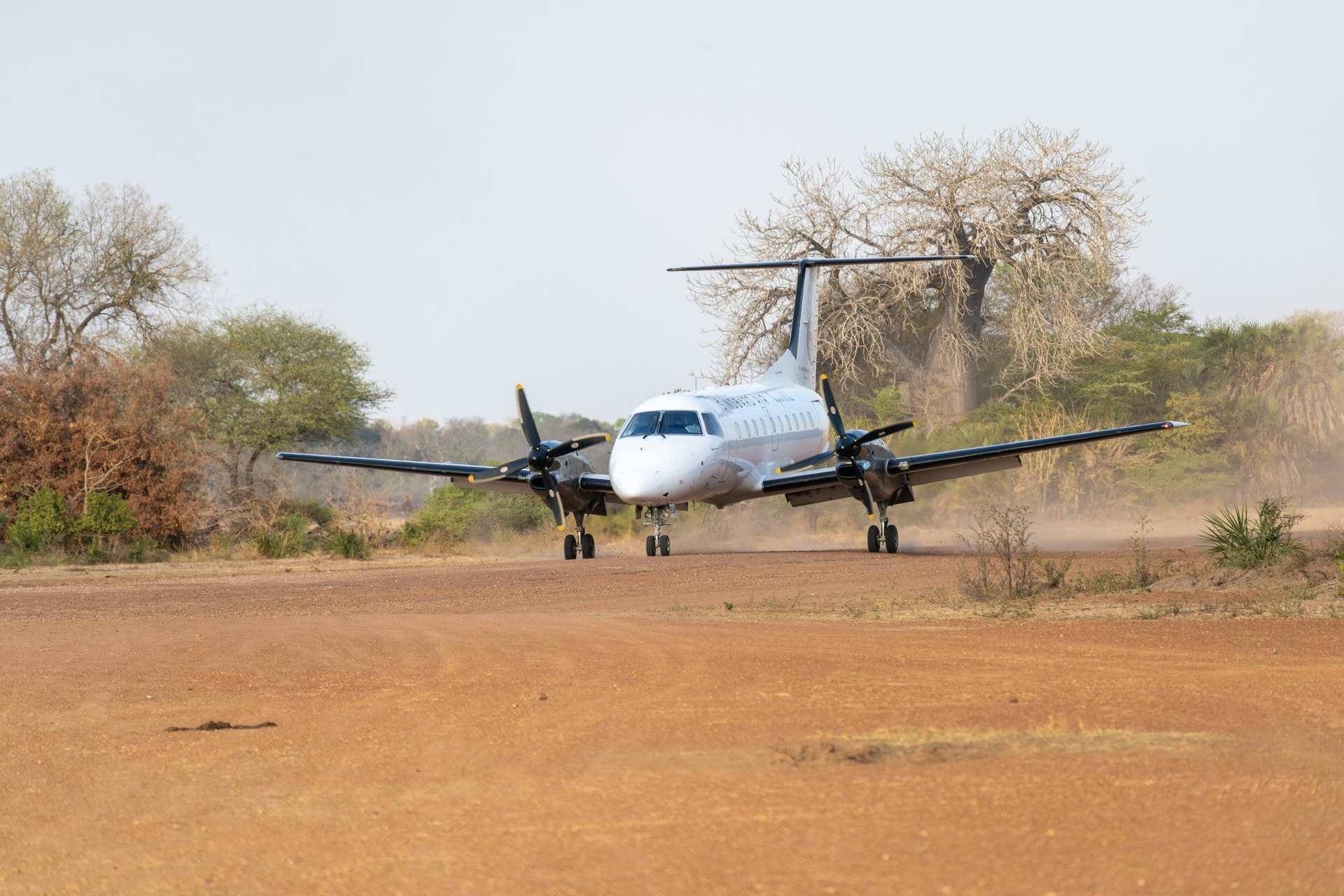
A fly-in safari uses light aircraft between airstrips, with a vehicle and guide waiting at each camp. It saves the long transfers and suits couples, short trips and the far north of the Serengeti. Light aircraft usually limit you to a soft bag of about 15 kg, so pack for it. See flying safaris.
Many of our Tanzania itineraries drive the first half and fly the second, which is often the best value for the days.
The month changes the price
Camps price by season, and Tanzania’s seasons map onto its weather. July to October is the peak, along with Christmas and New Year. January, February and June sit in the middle. March, April and May, the long rains, are the cheapest months, and some camps close for part of them. TANAPA’s own conservation fee is also lower between 15 March and 15 May.
The best time to visit Tanzania sets out what each month gives you in wildlife terms, so you can decide what a cheaper month costs you in sightings.
What is never in the price
- International flights
- The Tanzania eVisa: USD 50 for most nationalities, USD 100 for US citizens
- Travel insurance, which we can arrange with the trip
- Tips for guides and camp staff
- Drinks outside the board basis
- Balloon flights over the Serengeti, which are priced separately and are worth it
Every itinerary we publish lists its inclusions and exclusions. If a quote from anyone else does not show the park fees as their own line, ask for them.
What our Tanzania trips cost
Our trips publish a price where the camps have given us one, read from the itinerary rather than typed into this page. The ones that include Tanzania:
- SkySafari Tanzania: nine nights across Tarangire, the Serengeti and the crater, flown on Elewana’s own aircraft.
- Fly Me Around East Africa: andBeyond camps in Kenya and Tanzania, with the flights between them included in a fixed price.
- Migration Extravaganza: the Mara and then the northern Serengeti on the herds.
For anything else, every itinerary on the site can be rebuilt around your dates, and we will send a quote with the fees included at the rates for your dates.