On this page
The dry season, from late June to October, is the best time for most of Tanzania. The grass is short, the animals gather at the rivers and waterholes, and the herds of the Great Migration are in the northern Serengeti, crossing the Mara River. It is also the busiest and most expensive part of the year.
The second window is January and February, a short dry spell between the two rains. That is calving season on the southern Serengeti plains, the best predator viewing of the year, and it costs less than August.
The months we would plan around are April and May, when the long rains are at their heaviest.
Tanzania’s seasons month by month
| Month | Weather | Where we would send you | Price level |
|---|---|---|---|
| January | Short dry spell, warm | Southern Serengeti and Ndutu for calving; Ngorongoro | Mid |
| February | Warm, mostly dry | Calving at its peak around Ndutu | Mid |
| March | Long rains begin | Southern Serengeti while the herds are still there | Low |
| April | Long rains at their heaviest | The crater; open camps in the central Serengeti | Lowest |
| May | Long rains ease late in the month | Central and western Serengeti | Low |
| June | Dry season begins, cool | Western Corridor and the Grumeti River | Mid to high |
| July | Dry, cool mornings | Northern Serengeti, first Mara River crossings; Tarangire | Peak |
| August | Dry | Northern Serengeti; Tarangire’s elephants | Peak |
| September | Dry, warming | Northern Serengeti; the southern and western parks | Peak |
| October | Dry, hot by late month | Northern Serengeti; Ruaha and Nyerere | High |
| November | Short rains, afternoon storms | Eastern Serengeti as the herds come south | Mid |
| December | Short rains ease | Southern Serengeti; Christmas is peak-priced | Mid, peak at Christmas |
Neither rain season starts on a date. The long rains can arrive in early March or hold off to April, and the short rains can be a week of storms or a month of them. Read every row above as the usual pattern.
The dry season: June to October
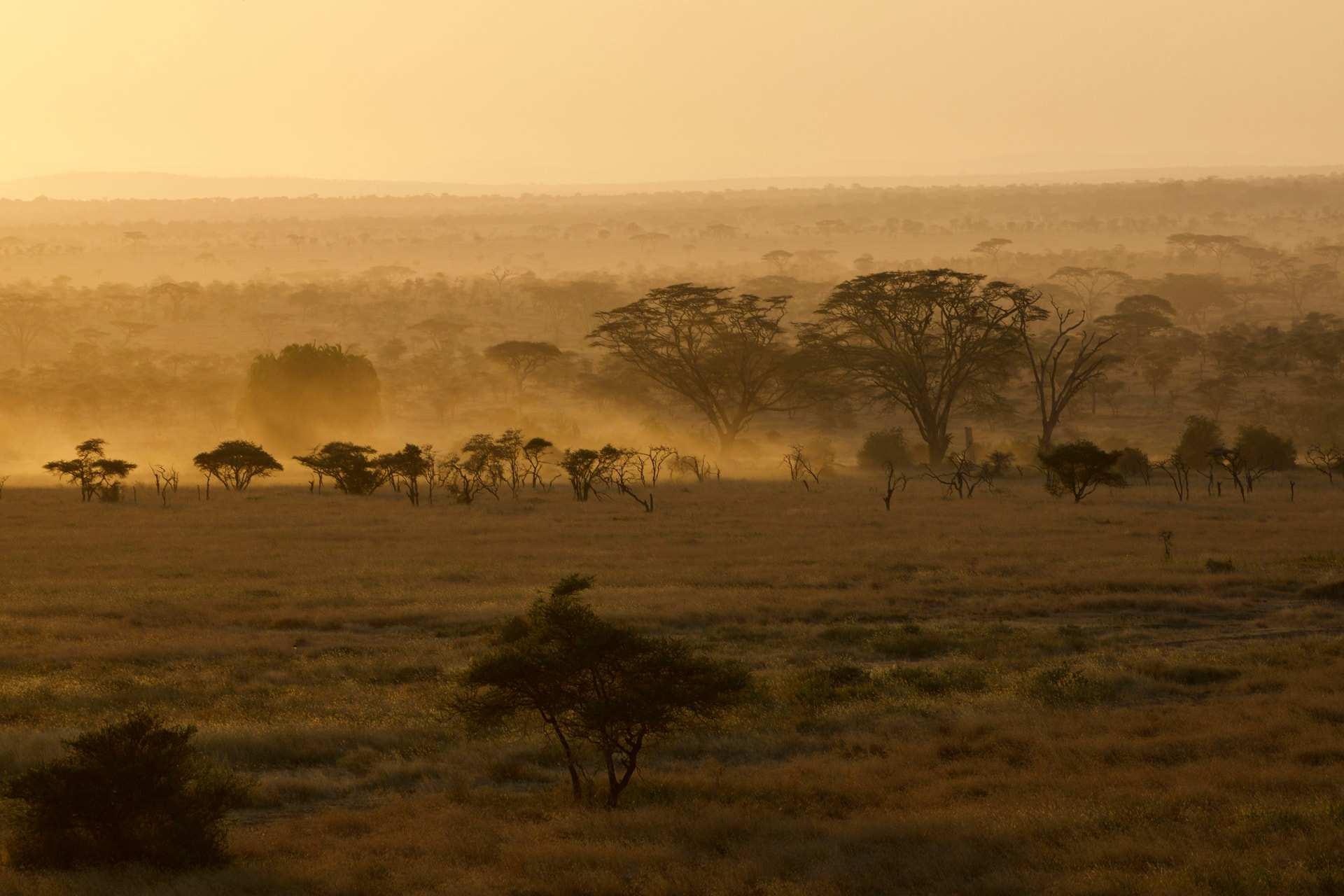
This is Tanzania at its most reliable. Very little rain falls, the bush thins out, and the game concentrates wherever there is water. Days on the plains are warm and dry, and the early mornings are cold on an open vehicle, colder than most people pack for.
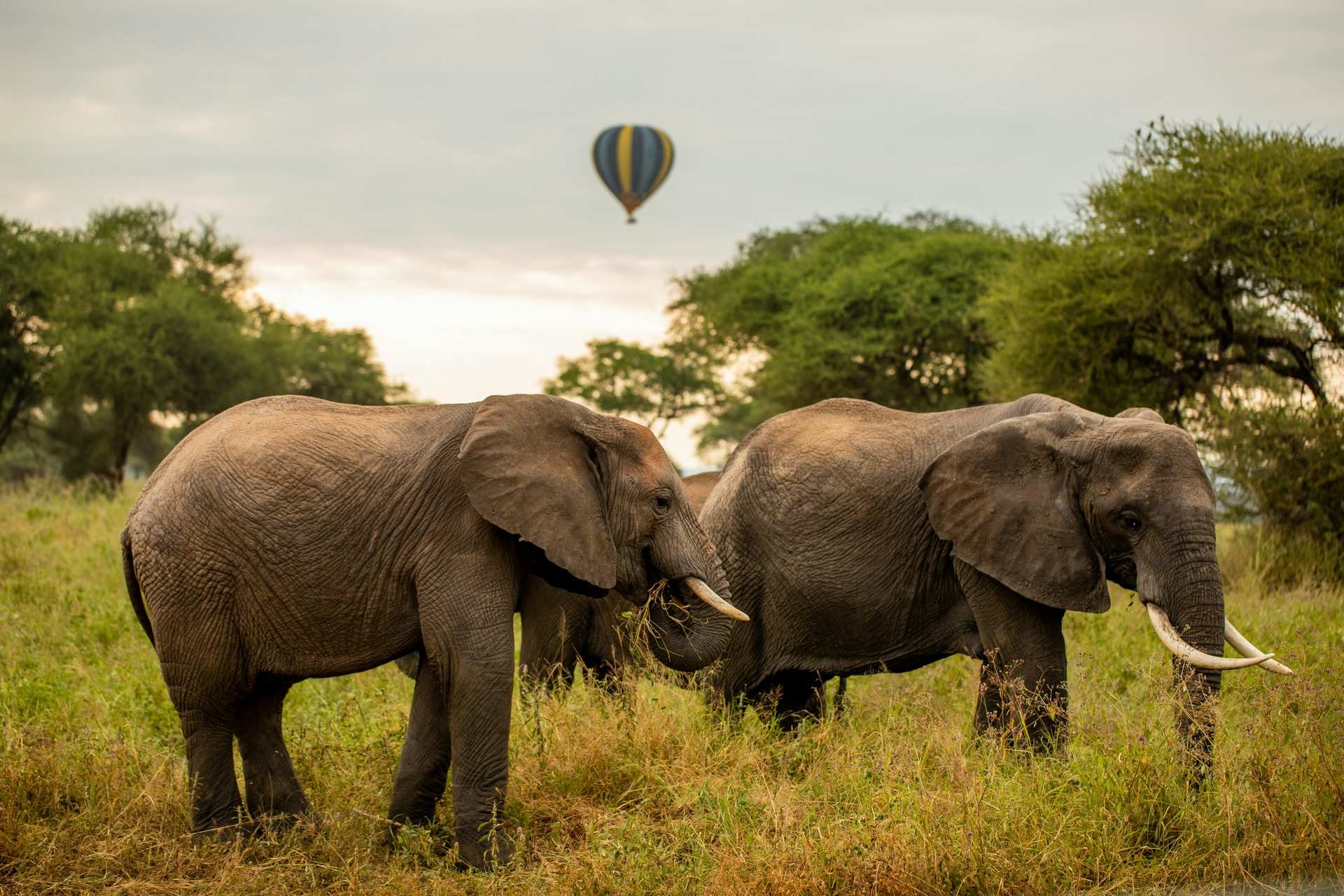
In the Serengeti the herds move from the Western Corridor in June to the far north in July, and the Mara River crossings run from July into October. The wildebeest migration guide has the herds month by month. Tarangire is at its best from July to October, when the elephants come down to the Tarangire River in large numbers. The Ngorongoro Crater is good all year, and in the dry season it is also at its busiest.
Book early for this window. The camps near the crossings, and the lodges on the crater rim, fill first.
Calving and the short dry spell: December to March
After the short rains, the herds come south onto the short-grass plains around Ndutu, which straddle the southern Serengeti and the Ngorongoro Conservation Area. Around half a million calves are born each year, most of them in February. Lion, cheetah and hyena hunt the calving grounds daily.
January and February are usually dry enough for easy driving, warm, and green. There are fewer vehicles than in August and the rates are lower, except over Christmas and New Year. For a second safari, or for anyone who wants predators more than river crossings, this is the window we would pick.
The long rains: is April or May worth it?
April and May are the wettest months of the year in northern Tanzania. Rain tends to come as heavy afternoon storms rather than all day, but it falls often enough to turn black-cotton soil to mud, and some roads and airstrips become slow or unusable. A number of Serengeti camps close for all or part of the season, and in the southern parks, Ruaha and Nyerere, most do.
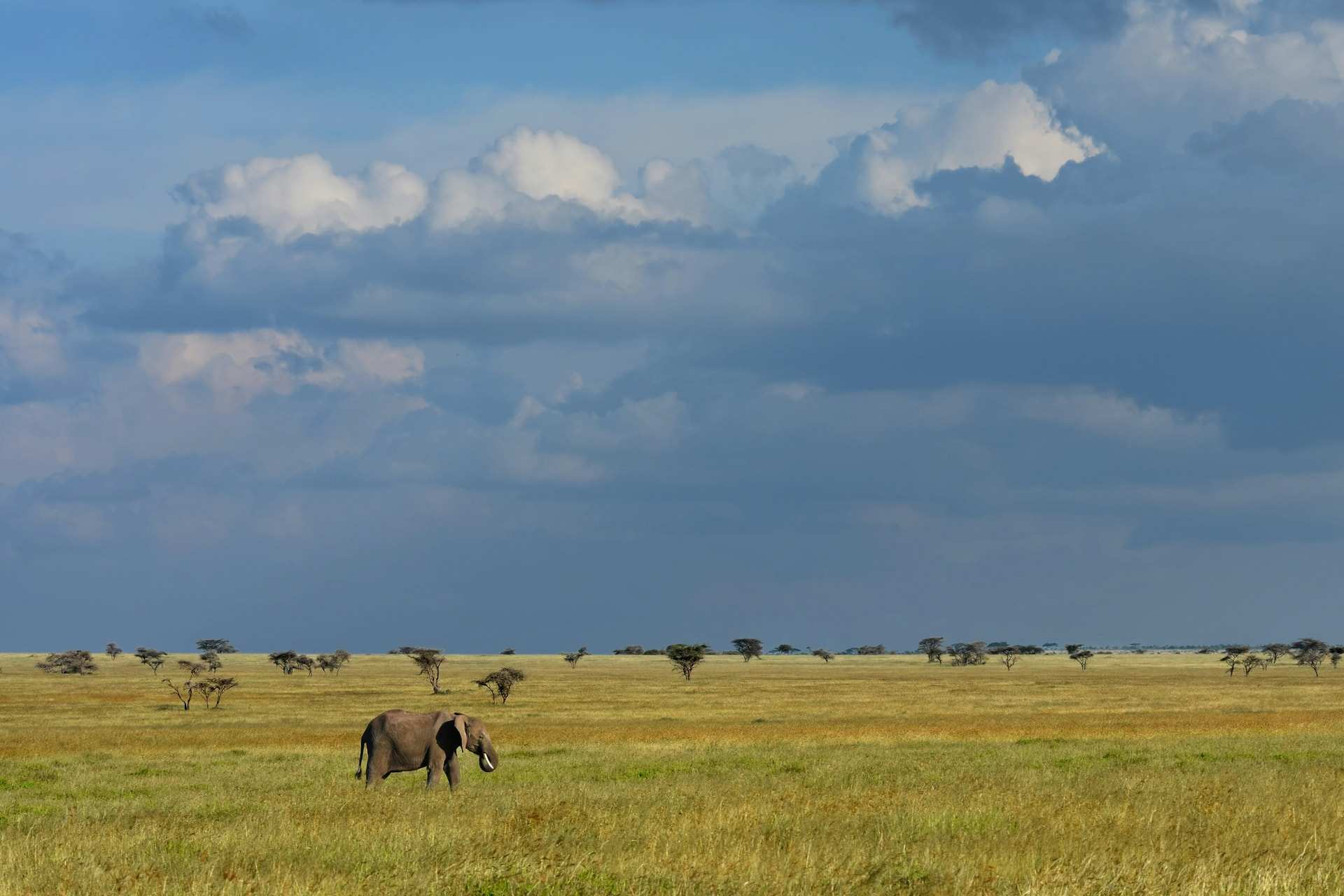
Against that, the crater stays open and good, the central Serengeti can still hold the herds, the birding is excellent, and prices are at their lowest. For a traveller who has done a dry-season safari and wants the country green and empty, April can work. For a first safari with one chance at it, we would not send you in April or May.
November is the gentler wet month. The short rains arrive as afternoon storms, the plains turn green within days, and the herds start moving south through the eastern Serengeti.
The best time by park
| Park | Best months | Why |
|---|---|---|
| Serengeti | All year | The herds are always somewhere in it: north from July to October, south from December to March, centre and west in between |
| Ngorongoro Crater | All year | Quieter on the floor in the green season |
| Tarangire | July to October | Elephants and baobabs along the Tarangire River |
| Lake Manyara | All year | Best for birds in the green season |
| Ruaha and Nyerere | June to October | Many camps close in April and May |
The crater has a service fee of USD 295 per vehicle for each descent, on top of the conservation area fee, which is why most itineraries give it one full day rather than two. See the Ngorongoro Crater.
Adding Zanzibar or Kilimanjaro
Zanzibar follows almost the same calendar as the parks. It is dry and at its best from June to October, dry and hot in January and February, wet from March to May, and showery in November. A safari in August or February ends on a good beach week without any adjustment. The island is a short flight from Arusha or Kilimanjaro, and our Zanzibar resident rates show what its hotels charge across the year.
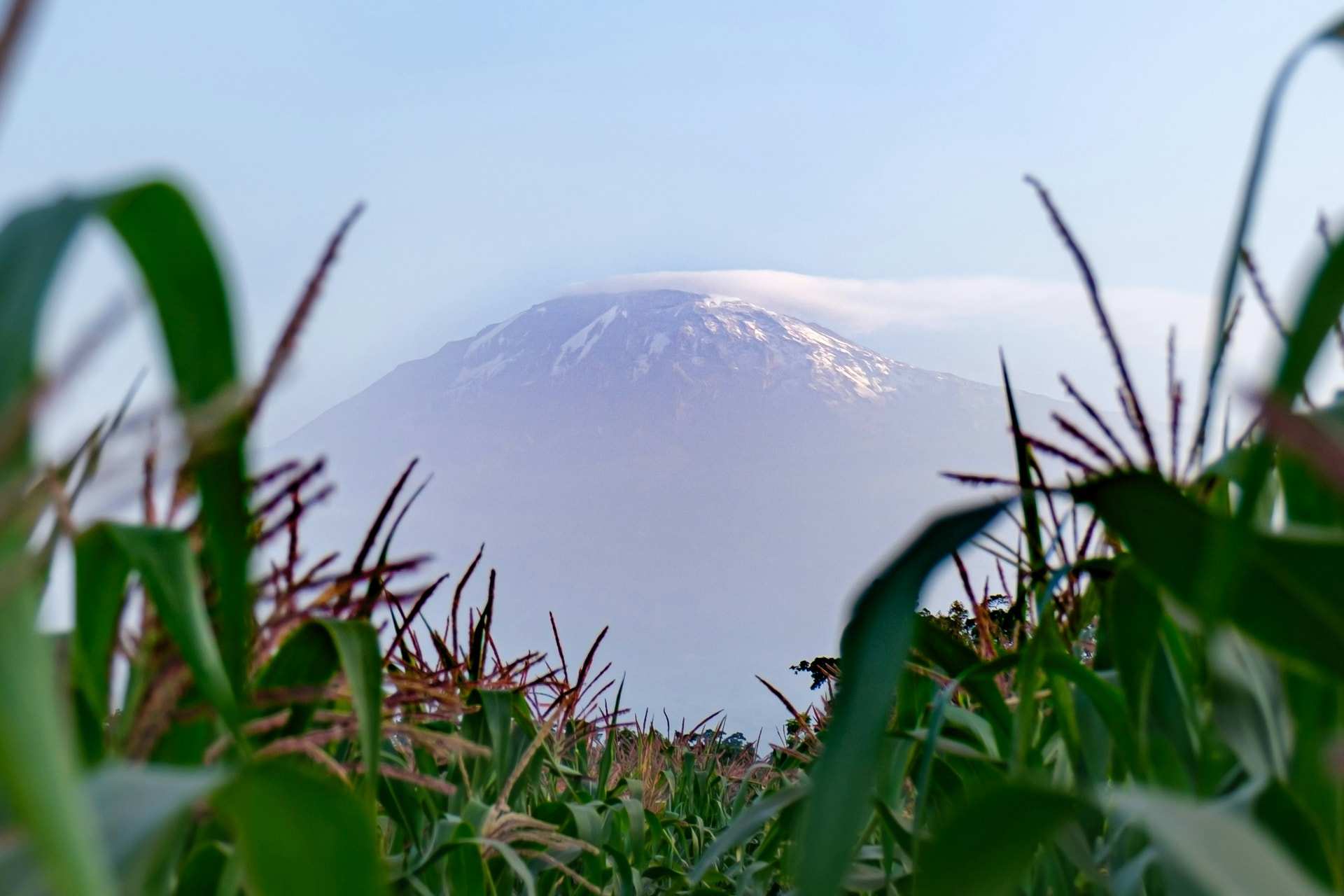
Kilimanjaro climbs follow the same dry seasons: January to early March, and June to October. Climbing in April or May is possible and wet, and few people do it.
The best time by what you want
- River crossings: August and September, in the northern Serengeti.
- Calving and predators: February, around Ndutu.
- Elephants: August to October, in Tarangire.
- The lowest prices: April and May, then March and November.
- Birds: November to April, when the migrant species arrive.
- A honeymoon with a beach week: September, or February for fewer people.
- Family holidays: the dates are set by the school calendar, so tell us early. Our school holiday calendar lays out the Kenyan, British and American breaks.
Combining Tanzania with Kenya
The two countries share their seasons closely enough that most months suit a trip across the border. From July to October, the Mara and the northern Serengeti both hold the herds, and a trip can watch the river from both banks. In January and February, Kenya’s conservancies are dry and quiet while the herds calve in Tanzania’s south, so a week in the Mara followed by Ndutu and the crater gets the best of each country in the same fortnight.
The months to avoid for a two-country trip are the same in both: April and May. Our Kenya or Tanzania guide covers how the trip crosses the border, which is by air and road through Migori and Tarime rather than straight across from the Mara.
When we would go
If you have one Tanzania trip in you, go in late August or September. You get the northern Serengeti with the herds, the crater on the way through, and Zanzibar at its best to finish. If you have been on safari before, go in February, when the south is green, the calves are on the ground, and you will share far fewer sightings.
Our SkySafari Tanzania trip covers Tarangire, the Serengeti and the crater by air in nine nights, and the when-to-go table sets Tanzania against every other destination we book, month by month. What a Tanzania safari costs explains how the month changes the bill.