On this page
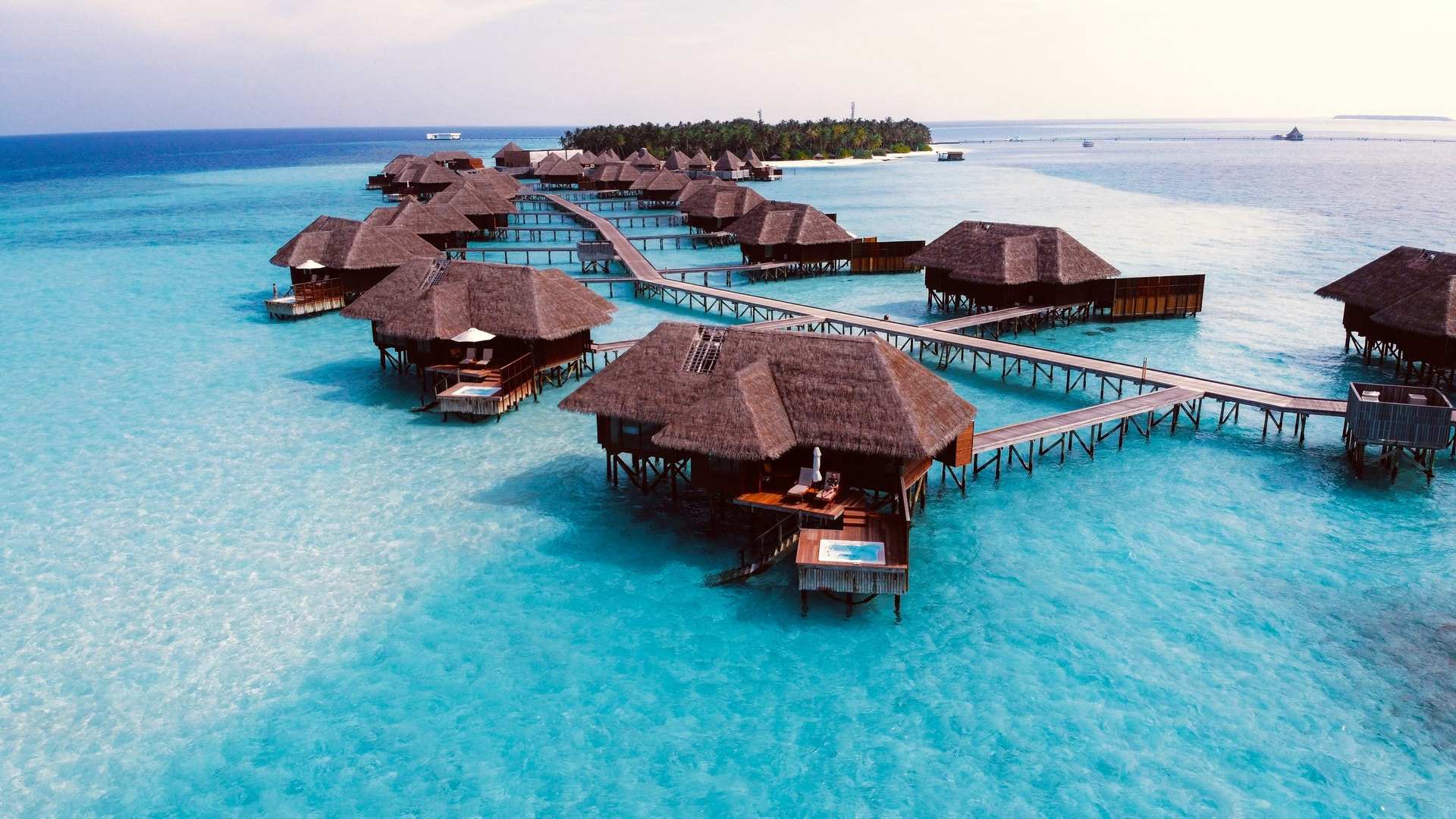
The best time to visit the Maldives is December to April, the north-east monsoon. It is the dry season: the most sunshine of the year, the least rain, calm seas and the clearest water for snorkelling. February and March are the driest months of all.
From about mid-May to November the south-west monsoon brings more wind, more cloud and most of the year’s rain. It is still around 30°C, the rain mostly comes and goes in heavy showers, and the prices fall. It is also the season for the manta gatherings at Hanifaru Bay and for surfing.
The months we would plan around are May, October and November. At Malé they are the wettest of the year, with around fifteen days of rain in each.
Maldives weather by month
| Month | Weather | Sea and wildlife | Price level | Our verdict |
|---|---|---|---|---|
| January | Dry and sunny | Calm, clear water; mantas on the west side of the atolls | Peak over New Year, then high | Best |
| February | The driest month | Calm and clear | High | Best |
| March | Dry, hot | Calm; the surf season begins | High | Best |
| April | The hottest month, calm | Flat seas, very clear water | High, peak at Easter | Best |
| May | The monsoon arrives, wind and heavy rain | Rougher seas; mantas move to the east side | Low | Avoid |
| June | Showers between sunny spells | Hanifaru mantas start; good surf | Low | Shoulder |
| July | Showers and sun | Hanifaru and surf | Mid | Shoulder |
| August | Showers and sun | Hanifaru at its best | Mid | Shoulder |
| September | Wetter spells | Hanifaru at its best | Low | Shoulder |
| October | One of the wettest months | Last of the surf and the big manta days | Low | Avoid |
| November | One of the wettest months | Mantas thinning at Hanifaru | Low to mid | Avoid |
| December | The changeover, drier as the month goes on | The north-east wind returns | Peak at Christmas | Best |
The Maldives is hot in every month, with daytime highs between about 30°C and 32°C all year. The months differ in rain, wind and sunshine: from January to March the islands get ten or eleven hours of sunshine a day, and seven to nine hours for the rest of the year.
The dry season: December to April
This is the Maldives most people picture. The north-east monsoon, called iruvai locally, brings dry air, steady light winds and calm water. Visibility underwater is at its best, which suits snorkelling off the house reef and first-time divers. February and March are the driest months, April is the hottest and often the calmest, and January is dry once the New Year week is over.
December is the changeover month. The early weeks can still be showery, and the weather settles as the north-east wind takes hold. The Christmas and New Year weeks are the most expensive of the whole year, and the best islands are booked months ahead.
The wet season: May to November
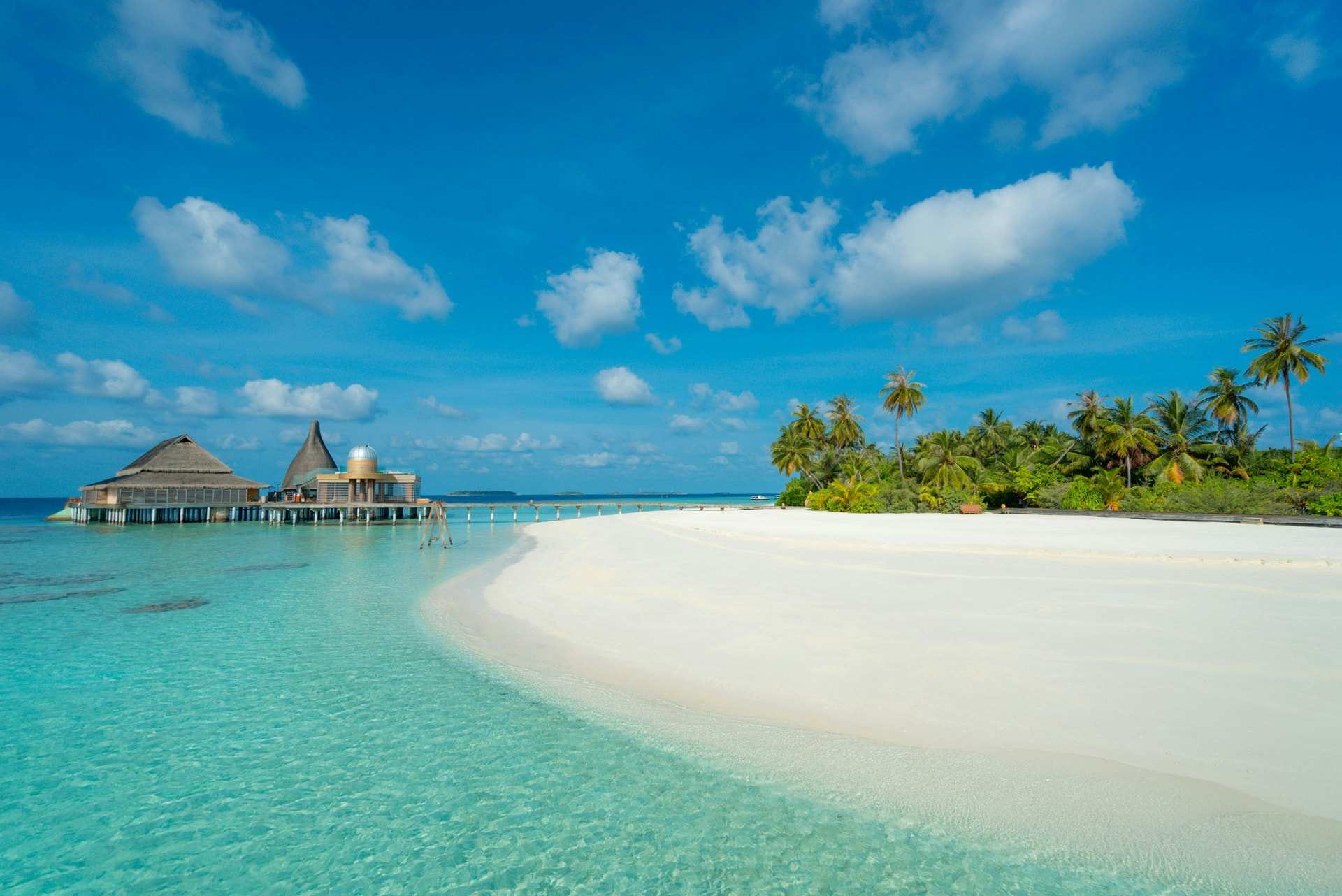
The south-west monsoon, hulhangu, usually arrives in mid-May, often with a week or two of strong wind and heavy rain. After that, the pattern is showers and squalls between sunny spells rather than days of steady rain. June to September can be very good, with some grey days mixed in. October and November are wet again.
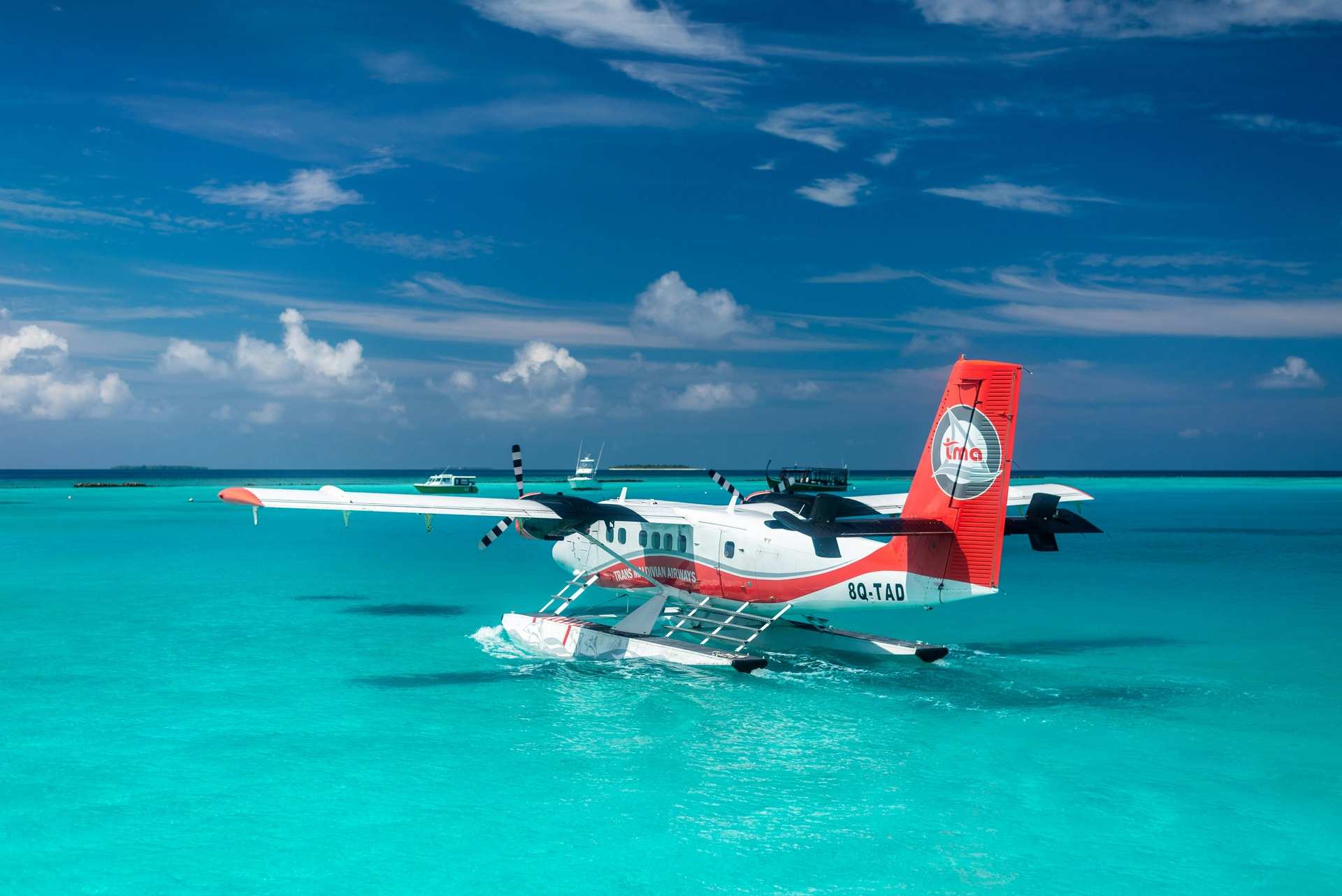
In return, rates drop, the islands are quieter, and some of the best diving of the year happens now. Boat transfers are bumpier and seaplanes can be held for weather, so leave some slack on arrival and departure days.
North, south and the atolls in between
Rain increases from north to south. The northern atolls average about 1,780 mm a year, the central atolls about 1,970 mm and the southern atolls about 2,220 mm, according to the Maldives Meteorological Service.
In practice, the choice of island matters more than the atoll. What we look at first is the transfer, because seaplanes fly in daylight only and your arrival time into Malé decides which islands you can reach that day. Our Maldives page explains how we choose.
Mantas, whale sharks and surf
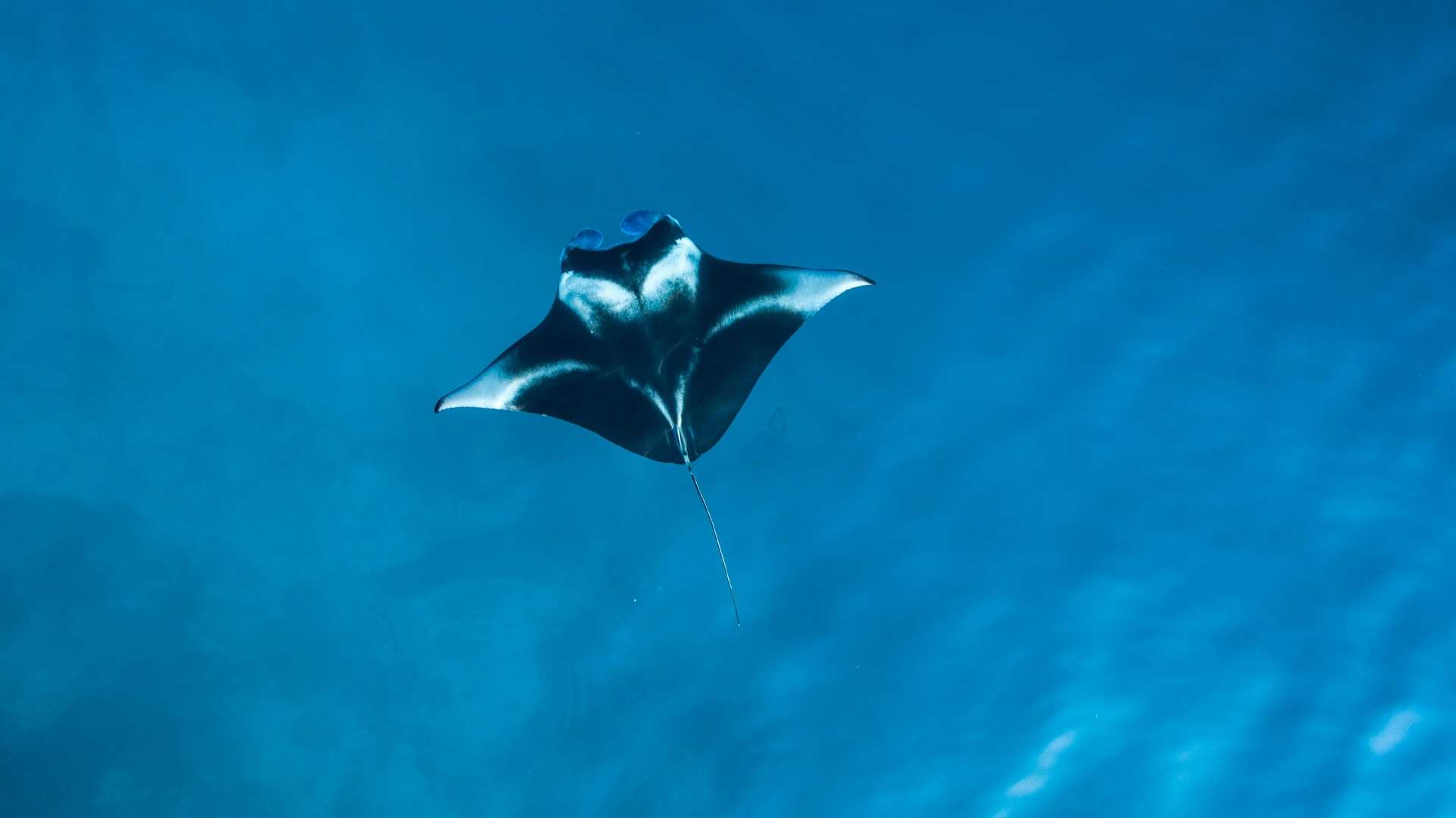
Mantas follow the plankton, and the monsoon currents decide where the plankton gathers. From December to April reef mantas feed on the west side of the atolls; from May to November they move to the east. The best-known gathering is at Hanifaru Bay in Baa Atoll, a UNESCO Biosphere Reserve, where mantas collect from about May to November and in the largest numbers from July to October, around the full and new moon. Only snorkelling is allowed in the bay, with a guide, a time limit and a daily cap on visitors, so ask us early if it is the point of the trip.
Whale sharks live in the South Ari Marine Protected Area all year. Sightings are a little easier in the dry season, when the water is clearer, though they are never guaranteed.
Surfing runs from about March to October, with the biggest swell from June to August. April and October, the edges of the season, often bring good waves and lighter winds.
Honeymoons, prices and school holidays
Most of the Maldives trips we plan are honeymoons and anniversaries, and the dry season is the obvious choice for them. If your dates are fixed by a wedding in the wetter months, June to September is usually the better half of the monsoon, and a good island with a house reef makes a showery day easy to live with. Our honeymoon planning starts from the dates.
Prices follow the weather, with two exceptions. Christmas to New Year is the most expensive stretch of the year, and the European summer holidays lift July and August above the other wet months. Families working around school dates can check the breaks on our school holiday calendar.
The Maldives is a Muslim country, and during Ramadan the cafés on Malé and the inhabited islands close in daylight. Resort islands carry on as normal.
The best month for what you want
- For the calmest water and the clearest snorkelling, go from February to April.
- For the manta gatherings at Hanifaru Bay, go in August or September.
- For whale sharks, go any month; the dry season makes them a little easier to find.
- For surf, go from June to August for the biggest swell, or in April and October for lighter winds.
- For the lowest prices, go in May, June, September or October, and pack for showers.
- For a honeymoon with the best odds of sun, go in February or March.
Flights from Nairobi, and pairing it with a safari
There is no nonstop flight from Nairobi. The usual routes connect through Doha, Abu Dhabi or Dubai, all a single stop, and we ticket them with the resort so the arrival time fits the transfer. Qatar Airways and Etihad both fly to Malé from their hubs, and a night or two in Dubai on the way through is a shape we build often.
The best bush-and-beach overlap is January to February. Kenya is in its short dry season, and the Maldives is at its driest. The best time to visit Kenya covers the safari half.
When we would go
If the date is free, go in February or March: the driest weeks of the year, the calmest water, and the New Year crowds gone. For divers who want the mantas at Hanifaru, go in August or September and accept some rain.
If you are still choosing an island group, Seychelles has its calm months in April, May, October and November, and the when-to-go table compares them all, month by month.
Sources
- meteorology.gov.mv/climate
- en.wikipedia.org/wiki/Mal%C3%A9
- visitmaldives.com/index.php/en/maldives/travel-information
- visitmaldives.com/en/experience/encounters-with-the-majestic-manta-rays-101
- audleytravel.com/the-maldives/best-time-to-visit
- zubludiving.com/articles/zublu-insights/whale-shark-and-manta-rays-seasons-in-the-maldives
- holiday.com.mv/maldives-surf-holidays-the-complete-guide/best-time-to-surf-in-the-maldives