On this page
South Africa runs on two opposite calendars. Kruger and the north-east get their rain in summer, so the best game viewing is in the dry winter, May to September. Cape Town and the south-west get theirs in winter, so the Cape is at its best in the dry summer, November to March.
If you want both in one trip, which most first visits do, the months that work for each are April to May and September to October. Those four months are where we start.
No month is closed. The weeks we would steer a first trip away from are mid-December to mid-January, when South African schools are on their summer break, prices are at their highest and Kruger is at its hottest and wettest.
South Africa weather by month
| Month | Cape Town and the Winelands | Kruger and the bushveld | Price level | Our verdict |
|---|---|---|---|---|
| January | Hot, dry, windy | Hot and wet, green; young animals | Peak early in the month | Avoid (peak holidays) |
| February | Hot and dry | Hot and wet | High | Shoulder: Cape |
| March | Warm, dry, less wind | Rains easing | Mid | Shoulder: Cape |
| April | Mild autumn | Drying out, still green | Mid, high at Easter | Best for both |
| May | Cooler, first winter rain | Dry season begins | Low to mid | Best for both |
| June | The wettest month, cold fronts | Dry, cool mornings, good game | Low | Shoulder: Kruger; whales arrive |
| July | Wet, the coldest month | Dry, very good game | Low to mid | Shoulder: Kruger |
| August | Rain easing; West Coast flowers begin | Dry, very good game | Mid | Shoulder: Kruger and flowers |
| September | Spring; flowers and whales | Dry and warming, excellent game | Mid to high | Best for both |
| October | Warm; whales still in the bay | Hot, first rains late in the month | High | Best for both |
| November | Warm, dry, windy | Rains start, hot | High | Shoulder: Cape |
| December | Hot, dry, busy | Hot and wet | Peak | Avoid (peak holidays) |
Kruger and the bushveld: May to September
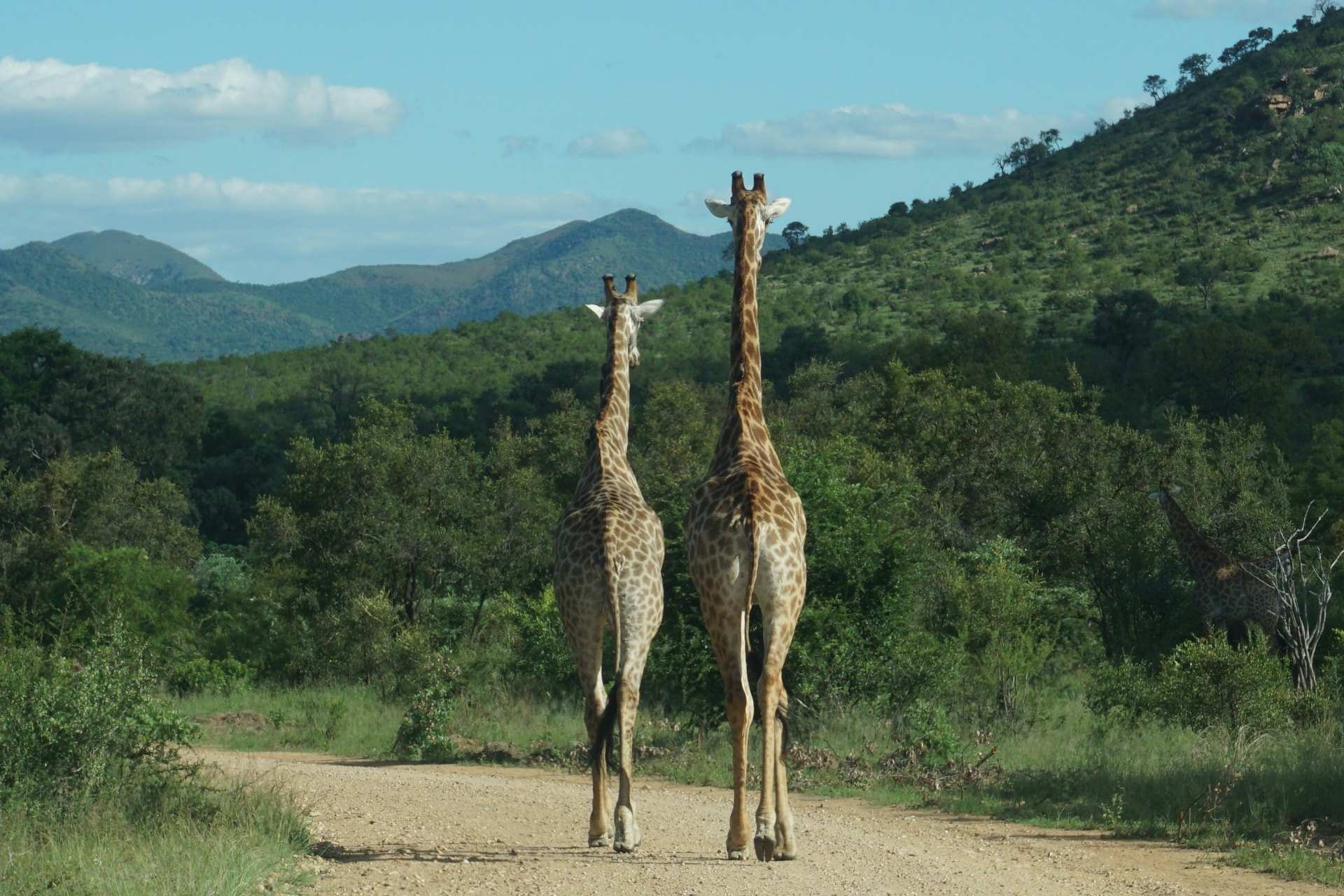
Kruger’s dry season runs through the southern winter. Days are mild, around 25°C, and nights and early mornings are cold, down to about 12°C. The grass dies back, the leaves drop and the animals come to the rivers and waterholes, which is when they are easiest to find.
September and October are the end of the dry season. They are hotter and the bush is at its barest, and for many guides that makes them the best game viewing of the year. The first rains usually come in late October or November.
Summer, from November to March, turns the park green. Days reach 35°C and more, afternoon storms are common, and the thick bush hides a lot. It also brings the young impala and other antelope, the migrant birds, and lower rates. Kruger is a malaria area, and the risk is highest in the wet season, from about October to May.
Kruger game drives explains the choice between the national park itself and the private reserves along its western edge, which shapes the trip more than the month does.
Cape Town, the Winelands and the Garden Route
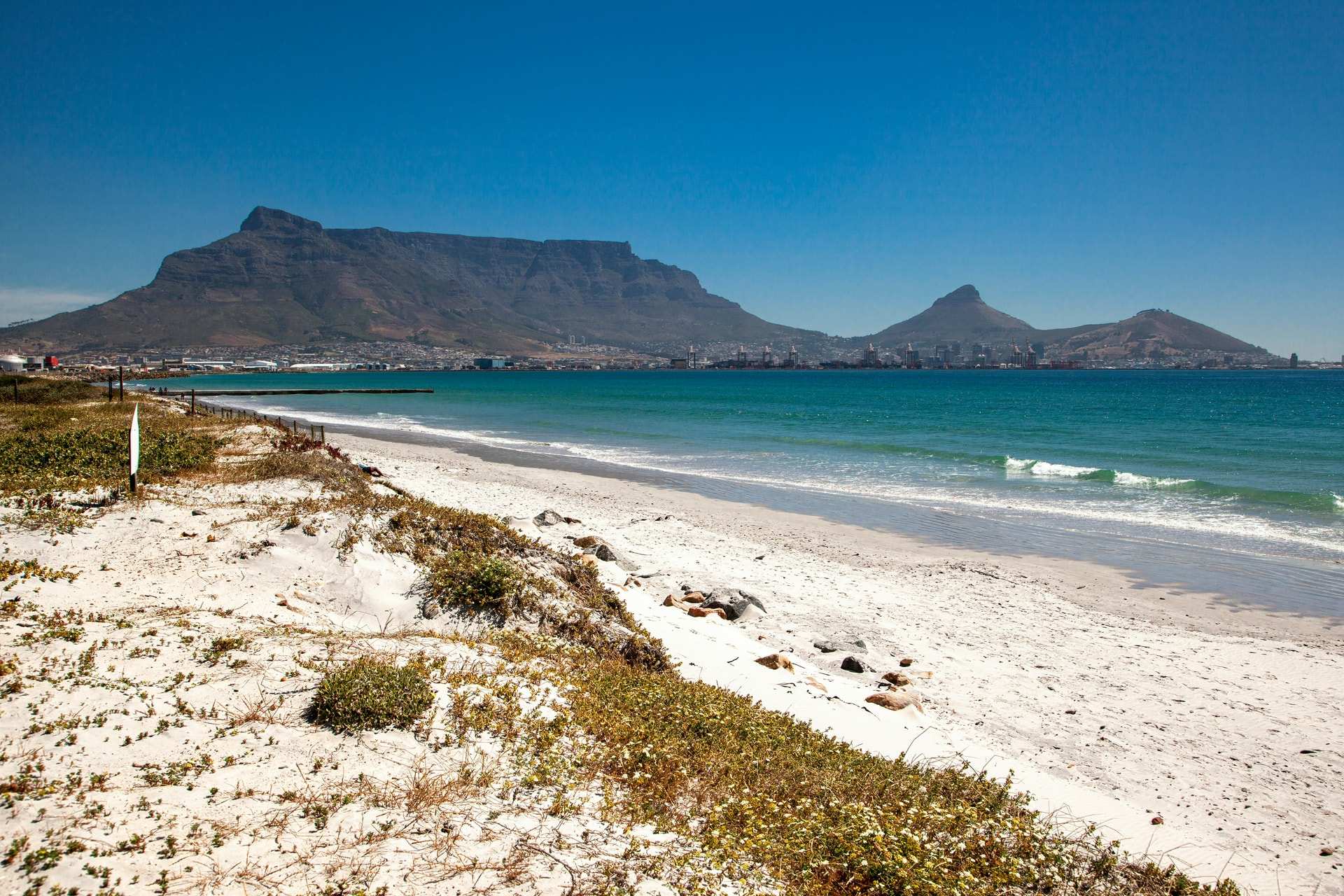
Cape Town has a Mediterranean climate. Summer, from November to March, is dry, sunny and warm, with a strong south-east wind on many afternoons that keeps the heat down and the air clear. It is the time for beaches, Table Mountain and long lunches in the Winelands. December and January are the busiest weeks of the year, because the whole country is on holiday too.
Winter, from May to August, brings cold fronts off the Atlantic, and most of the year’s rain, with June the wettest month. The Cape is green, quieter and cheaper then, and a winter week can still be a very good one if you are there for the food, the wine and the whales. Autumn in April and spring in September and October sit in between, and they are our favourite months in the Cape.
The Garden Route, between Mossel Bay and Storms River, gets rain in every season and stays mild all year, so it suits any month. Our Cape Town and Garden Route trip takes seven nights from Gqeberha to Cape Town, and our South Africa page has the rest of the country.
Whales and wildflowers
Two seasons in the Western Cape run on their own clocks.
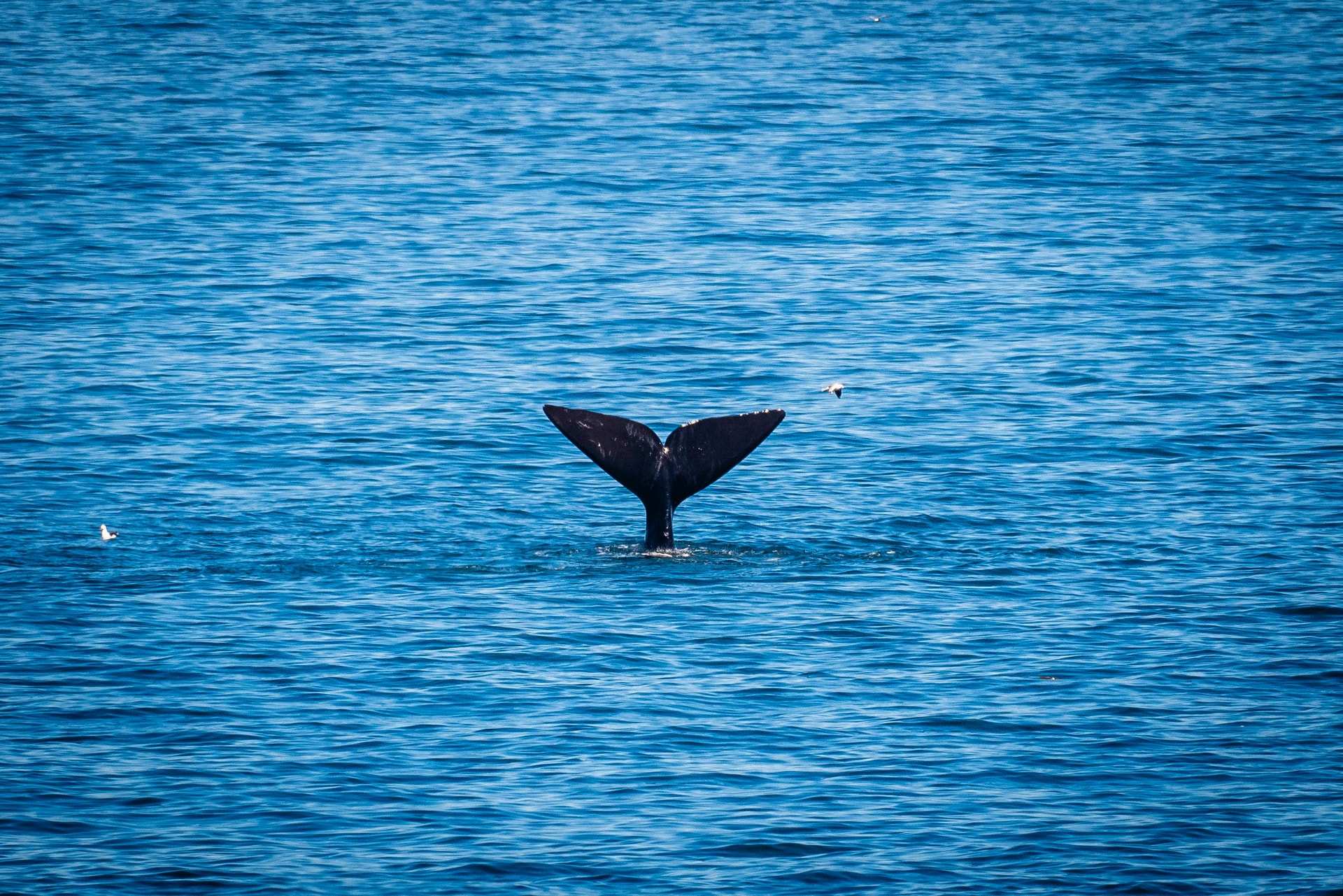
Southern right whales come into Walker Bay at Hermanus to calve and mate from about June to November, with the most whales usually there in September and October. They come close enough to watch from the cliff path. Hermanus holds its whale festival in September. See the Whale Coast at Hermanus.
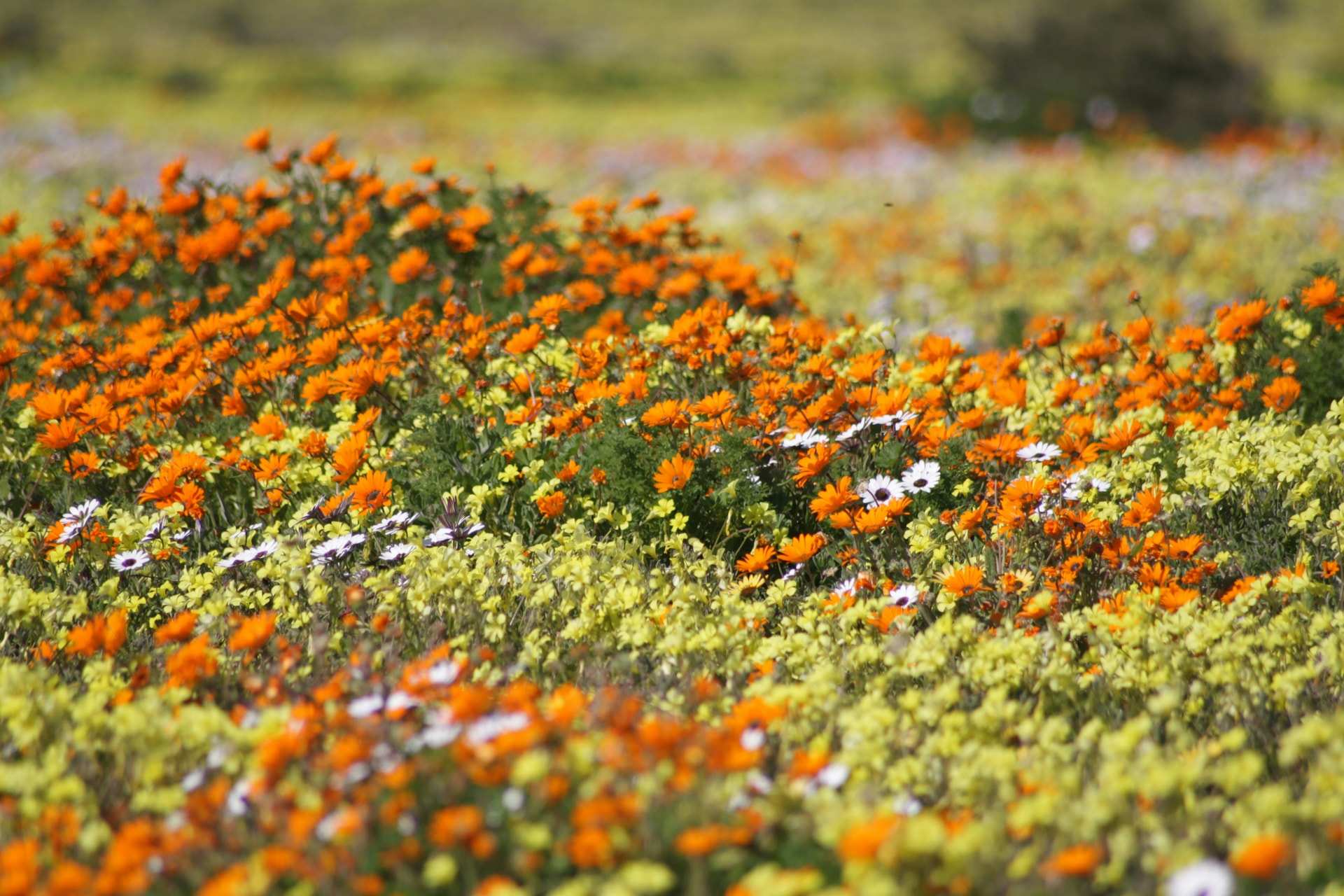
The wildflowers of the West Coast bloom at the end of winter, for a few weeks in August and September, and how good they are depends on how much rain fell. The Postberg section of the West Coast National Park opens only for the flower season; in 2026 it ran from 1 August to 30 September. See the West Coast wildflower day.
Malaria-free reserves for families
For families with babies or young children, the malaria question often decides the reserve. Pilanesberg, near Johannesburg, and Madikwe, on the Botswana border, are outside the malaria zone, and so are the reserves of the Eastern Cape. That makes them the usual choice for small children in any month, and the only choice for some families in the wet summer. Pilanesberg game drives and our guide to safari with kids go further.
KwaZulu-Natal, the Drakensberg and Victoria Falls
KwaZulu-Natal has summer rain like Kruger. The Drakensberg gets afternoon thunderstorms from about November to March and clear, cold days in winter, when the high peaks can see snow. Winter is the easier season for walking to the rock art. Durban’s coast is warm all year and at its most comfortable in the dry winter months.
Victoria Falls, on the Zambezi, often goes into the same trip. The Falls are fullest from about March to May, when the spray can hide much of the view, and lower but clearer from September. Our Victoria Falls and South Africa trip pairs Livingstone with the Cape in nine nights.
What each month costs
South Africa’s own school holidays move prices as much as the weather does. The long summer break from mid-December to mid-January is the peak for both regions, and Easter and the shorter winter and spring breaks fill the popular lodges and the Garden Route towns. Cape Town is at its dearest in its summer, and the lodges in and around Kruger fill first for the dry months. May and June are the quietest, cheapest months in most of the country, which is part of why May makes such a good first trip.
Doing Cape Town and Kruger in one trip
The two are about two hours apart by air, usually via Johannesburg. In April, May, September and October you can have both at their best, or near it, in the same fortnight. Our World in One Country itinerary does the full loop in thirteen nights: Johannesburg, the Panorama Route and Kruger, eSwatini and Zululand, the Garden Route and Hermanus, finishing in Cape Town.
From Nairobi, Kenya Airways flies nonstop to Johannesburg, and we ticket the flights with the rest of the trip.
When we would go
For a first trip with both regions, go in September: Kruger at the end of its dry season, the Cape in spring, whales in Walker Bay and flowers on the West Coast. October is nearly as good and a little warmer. For a quieter, cheaper trip, go in May.
If it is only the Cape, go between November and March and avoid the Christmas weeks. If it is only Kruger, go between June and September. The when-to-go table sets South Africa against every other destination we book.
Sources
- go2africa.com/destinations/kruger/when-to-go
- krugerpark.co.za/Kruger_Park_Travel_Advisory-travel/best-time-to-visit-kruger-park.html
- southafrica.net/gl/en/travel/article/the-secret-is-out-the-best-time-to-visit-cape-town-is-revealed
- go2africa.com/african-travel-blog/south-africa-safari-how-to-combine-cape-town-kruger-safari
- climatestotravel.com/climate/south-africa/cape-town
- hermanus.co.za/popular-activities/whale-watching
- sanparks.org/news/west-coast-national-park-welcomes-visitors-to-the-2026-wildflower-season